


SCRIPTURE: GENESIS 33: 1-17
Esau forgives and reconciles with Jacob.
REFLECTION
The theme for our reflection is ‘from fear to freedom.’ For those who have been following the NBNB daily reflections, we discovered that Jacob had to leave in fear and guilt because of the deceitful manner in which he took Esau, his elder brother’s blessings. Esau was angry and filled with bitterness s and planned to kill Jacob after their father’s death. “Now Esau hated Jacob because of the blessing with which his father had blessed him, and Esau said to himself, “The days of mourning for my father are approaching; then I will kill my brother Jacob.” But the words of Esau her older son were told to Rebekah. So she sent and called Jacob her younger son and said to him, “Behold, your brother Esau comforts himself about you by planning to kill you. Now, therefore, my son, obey my voice. Arise, flee to Laban my brother in Haran and stay with him a while, until your brother’s fury turns away— until your brother’s anger turns away from you, and he forgets what you have done to him (Genesis 27:41-45). For many years Jacob had to live in fear and praying for an opportunity to receive forgiveness from his brother.
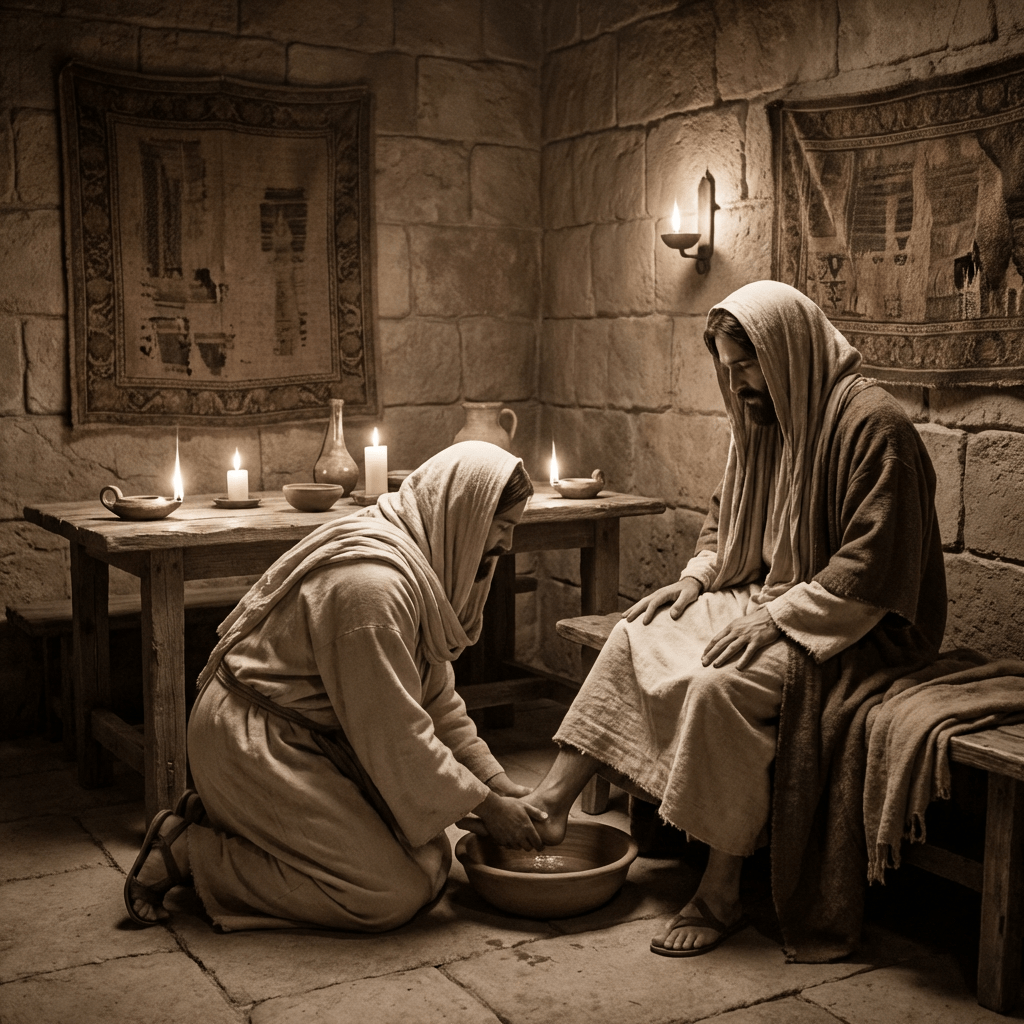
In today’s scripture reading, we see the reconciliation of the two brothers and the fact that Esau forgave Jacob although he did not categorically say the words “I forgive you”. Actions surely speak louder than words! Esau’s action did the talking. Forgiveness is not only said in words but it is an act. Remember Jesus did not only say “Father, forgive them, for they know not what they do.” (Luke 23:34) but he actually acted the forgiveness through His willingness to suffer and die on our behalf on the cross. Forgiveness is an act, many are those who say with their mouths “I have forgiven you” yet in the actions they are unwilling to embrace their offender and show love and concern as it used to be. “But Esau ran to meet him and embraced him and fell on his neck and kissed him, and they wept. (Genesis 33:4) The act of forgiveness speaks more than the words of forgiveness.
It is important to note that, an offender who has a good conscience lives in guilt and fear but is liberated or freed from his or her guilt and fear when the offended person shows the offender an act of love and forgiveness. Believers and disciples of Christ must be in the habit of freeing one another from guilt and fear when one offends the other. This act of forgiveness must not only exist among believers but be extended to unbelievers because “by this, it is evident who are the children of God, and who are the children of the devil: whoever does not practice righteousness is not of God, nor is the one who does not love his brother (or sister). (1 John 3:10) My dear friend, for how long will you hold on to that grudge and pain caused by your siblings, parents, spouse, child, friend, boss or colleague at work. Remember that when you forgive and reconcile with your offenders, you do not only free them from fear and guilt, you also free yourself from the burden of bitterness and pain which has given you restless nights all this while. After reading today’s reflection, I need you to make a call or go meet someone or find a mode of communication only to assure your offender, whether or not they show remorse, that you have forgiven them and wish to embrace them just like how Esau the offended run to embrace Jacob the offender. We should remember that some offenders because of guilt and fear may not be bold to approach the offended but remember that “but God shows his love for us in that while we were still sinners, Christ died for us. (Romans 5:8). The offended person can also take a step towards reconciliation and freeing the offender from guilt and fear.
It is again important that showing remorse for the evil or sin committed against others is not just merely saying “I am sorry” asking for forgiveness or showing remorse and repentance is also an act that speaks louder than words. I invite you to observe the language and act of remorse exhibited by Jacob the offender, he was completely humble and showed respect to his elder brother although he was obviously richer or well endowed than him. Some people think that because of their social status, position and wealth it is demeaning to condescend to show remorse and reconcile with the people they have indeed offended. “Esau said, “What do you mean by all this company that I met?” Jacob answered, “To find favor in the sight of my lord.” But Esau said, “I have enough, my brother; keep what you have for yourself.” Jacob said, “No, please, if I have found favor in your sight, then accept my present from my hand. For I have seen your face, which is like seeing the face of God, and you have accepted me. Please accept my blessing that is brought to you, because God has dealt graciously with me, and because I have enough.” Thus he urged him, and he took it. (Genesis 33:8-11). Jacob was willing to sacrifice whatever he had just to prove to Esau that he is deeply sorry for hurting him in the past and Esau clearly understood him and responded positively with an act of forgiveness. The sure way to show you are remorseful is through the act and language of humility before the person you have offended. Do not appear boastful and sarcastic before the very person you have offended while you seek forgiveness and reconciliation. It is disrespectful and worsens the already existing bitterness the person may be harboring against you. After reading this reflection, I need you to make a call or reach out to anyone including your subordinates whom you have hurt in the past. I need you to exhibit the act and language of humility and remorse from your heart and seek forgiveness and reconciliation so that you will free yourself from the guilt and fear that has lingered in your heart and mind since the day offended the person. May the Lord deliver us from guilt and fear and grant us freedom and fellowship through the act of forgiveness and reconciliation. Shalom
PRAYER



 NO BIBLE NO BREAKFAST DAILY BIBLE REFLECTIONS AND MORE
Leave a comment