


DEUTERONOMY 30:15-20
PHILEMON 1:8-21
LUKE 14:25-33
SUNDAY REFLECTION
The theme for our reflection is “bearing the cost of discipleship”. A disciple is a believer and follower of Jesus Christ. The cost of discipleship is the suffering, challenges or burdens a person must carry or incur on account of following Jesus or becoming His disciple. The theme can thus be rephrased as enduring suffering or challenges resulting from following Christ. In today’s reflection, we shall identify the cost of discipleship and the blessing of bearing the cost of discipleship. We shall discuss the following points:
- Forsaking all and enduring hardship on account of Jesus Christ is a cost of discipleship.
- Imprisonment and discomfort is cost is a cost discipleship
- Forgiving and reconciling with offenders is a cost discipleship
- There is blessings in bearing the cost of discipleship.
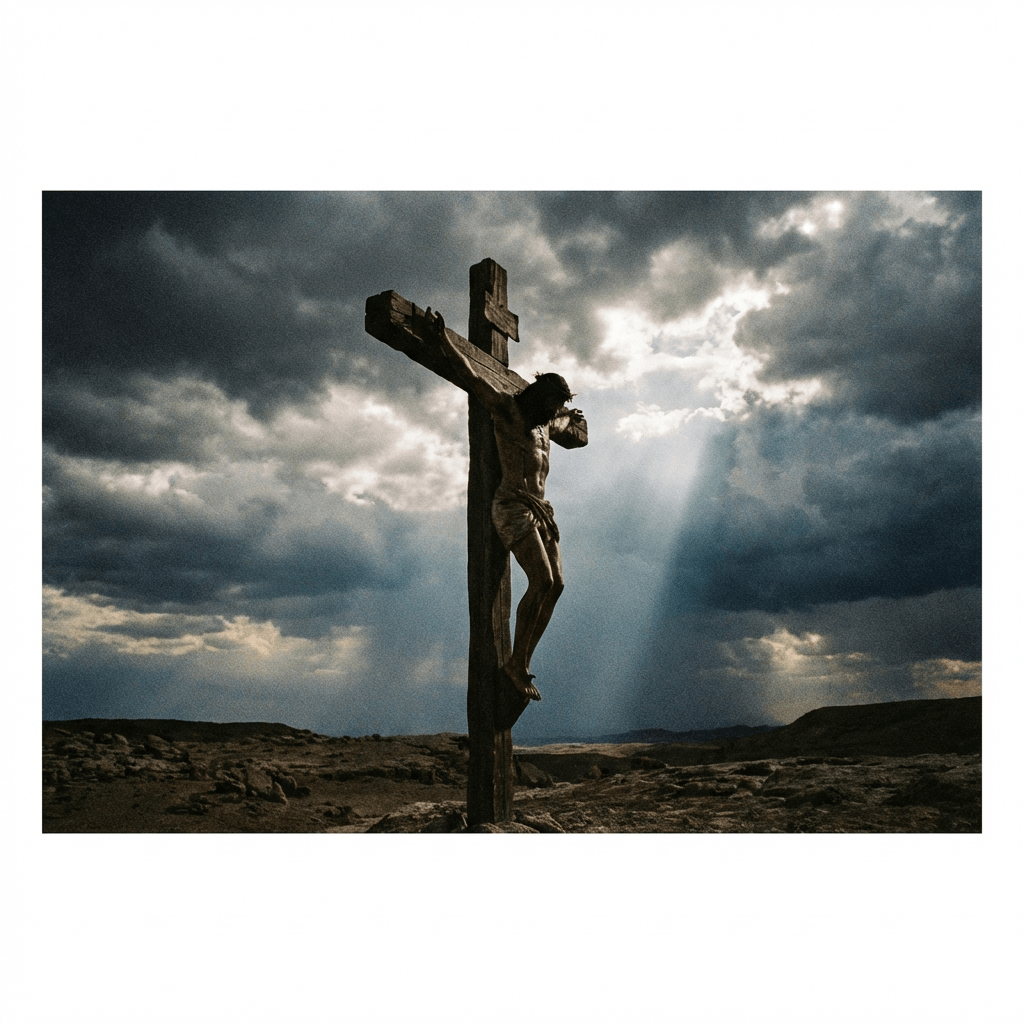
Firstly, forsaking family or denying family to become a disciple of Christ is a big cost and a decision one has to make. The love we have for our family members is strong that we may turn to lose focus in our journey as disciples of Christ. In other words, because “blood is thicker than water” we may become sympathetic and influenced by family even to the point of compromising our call and service to God. Again, our individual interests and pursuit of pleasure may also compromise our call and discipleship. It is for this reason Jesus admonishes us that ” “If anyone comes to me and does not hate father and mother, wife and children, brothers and sisters—yes, even their own life—such a person cannot be my disciple. And whoever does not carry their cross and follow me cannot be my disciple. (Luke 14:25-26). In other words, when one takes a decision to follow Jesus, blood is no longer thicker than blood, but the baptismal water becomes thicker than blood such that our relationship with Jesus as Lord and Saviour supersedes all other relationships and interests in this world. In Christ, we live and endure all manner of social rejection and self-denial to the glory of God. The cross is a symbol of suffering, therefore the cost of discipleship is to carry the cross of choosing Christ over family and personal pleasures and gains. Ultimately, your family may also reject you for choosing Christ and that is a cross or cost we must endure for the sake of our salvation and discipleship.
Secondly, imprisonment and discomfort are other costs of disciples. Some of the disciples of Jesus who became the Apostles of the early Church were arrested, imprisoned, persecuted and tortured. Paul was not an exception for he wrote that “It is as none other than Paul—an old man and now also a prisoner of Christ Jesus— that I appeal to you for my son Onesimus, who became my son while I was in chains. (Philemon 1:9-10). In other words, at the time Paul wrote his letter to Philemon he was in prison on account of preaching the Gospel or being a disciple of Christ. Following Christ may sometimes render us vulnerable to attacks and persecution and these are part of bearing the cost of discipleship.
Thirdly, it is hard to be offended and yet overlook the offence, forgive and reconcile with the offender. This is one of the costs of discipleship and the emotional cross we must carry. In Paul’s letter to Philemon, we learn that Onesimus was once upon a time a slave to Philomen but took something precious belonging to his master and escaped. Onesimus was later arrested and jailed. During his time in prison, he met Paul who preached and nurtured him to become a disciple of Christ. Paul now sends Onismus to Philemon who was also a disciple of Christ and a church elder. Paul made a passionate appeal to Philemon to forgive Onesimus and reconcile with him and “have him back forever— no longer as a slave, but better than a slave, as a dear brother.” (Philemon 1:15-16). Usually, we forgive those who have wronged us but keep our distance from them, however, in Philemon’s case, he is to forgive and receive his former slave as his brother because they have both become disciples and coworkers of Christ. How will the society at the time see Philimon? The cost of Philemon’s discipleship was to endure criticism from society for condescending to the level of a slave or elevating a slave to his status. Philemon would have to endure insults and embarrassment from his cohorts but most importantly forgive Onismus who did not return what he stole from him. Following Jesus is indeed a challenging and costly decision. Without the empowering of the Holy Spirit and obedience to the teachings of Christ, it is impossible to please God.
Fourthly, there is a reward for following Jesus faithfully by bearing the cost of discipleship to the end. We are given an assurance in Deuteronomy through Joshua that ” If you obey the commandments of the LORD your God that I command you today, by loving the LORD your God, by walking in his ways, and by keeping his commandments and his statutes and his rules, then you shall live and multiply, and the LORD your God will bless you… Therefore choose life, that you and your offspring may live, loving the LORD your God, obeying his voice and holding fast to him, for he is your life and length of days…” (Deuteronomy 30:16, 19-20). The cost of disciples can only be endured through obedience to God. When we are obedient in bearing the cost of discipleship He will bless us and be gracious to us.
In summary, the cost of discipleship are; forsaking all and enduring hardship on account of Jesus, endure persecution and imprisonment if there need be on account of Jesus, forgiving and reconciling with offenders even if it hard for us to so. When we have faithfully followed Jesus and bore the cost of discipleship to the glory of God, He will bless us and make us fruitful. May the Holy Spirit strengthen us to endure the cost of discipleship even if as we receive the reward of peace, prosperity and eternal life through our Lord Jesus Christ.

 NO BIBLE NO BREAKFAST DAILY BIBLE REFLECTIONS AND MORE
Leave a comment