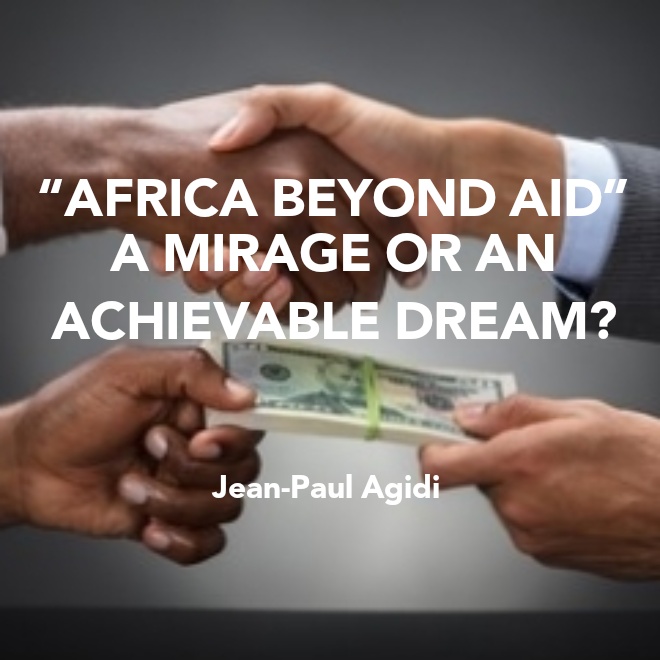
Africa is bedevilled with numerous challenges that have made some of her countries underdeveloped. The future of most African countries is blared with indebtedness and economic hardship. We continue to borrow money from the so-called superpowers who are the main shareholders of the World Bank and the International Monetary Fund. Again, some African countries borrow directly from their so-called developing partners. A partnership we ought to view with great suspicion.
Most African countries have become subservient to developed countries because of their unprecedented indebtedness. They have borrowed and overborrowed to the extent that their leaders have been compelled to mortgage their essential natural resources. Indeed, the future of the current generation and the destiny of posterity have been mortgaged. African leaders are made to borrow money and then impose burdensome taxes on their citizens to service the avalanche of loans. Most countries in Africa now live in the vicious cycle of borrowing and loan repayment and debt restructuring. Every government comes to power to add to the debt portfolio and the people are made to live in perpetual debt and economic hardship. The hardworking men and women of Africa are systematically impoverished or forced to live within a low-income bracket of the economic spectrum. It is for this reason, Africa continues to witness the exodus of industrious professionals who migrate to the West in search for better working conditions and income.
What then do we call the relationship between Africa and her benefactors or lenders? Is it a partnership or a master-slave relationship? Your guess is as good as mine. Although the common term used is “development partners”, I believe the actual term should be “servitude or slavery”. Africa’s indebtedness has made her a bonded slave. Regrettably, Africa’s economic woes are summed up in Proverbs 22:7, “The rich rule over the poor, and the borrower is a slave to the lender.” Ghana’s president, President Akufo-Addo, during the opening of the first leg of the African Caucus Meeting of World Bank and International Monetary Fund (IMF) Governors in Accra on August 2, 2019, said, “Since assuming the reins of Office, two and a half years ago, I have been advocating for a Ghana Beyond Aid, because nobody needs to spell it out to us that the economic transformation we desire will not come through aid” https://mofep.gov.gh/news-and-events/2019-08-02/africas-transformation-beyond-aid-is-a-must-president. The President’s statement was made in good faith but in reality, the posture of most African leaders does not suggest or paint a hopeful picture that we are ready to develop to the extent that we will no longer need foreign aid or loans to run our economies. An African leader’s most important duty in the twenty-first century is to work towards the liberation of his or her country from economic enslavement and indebtedness. Until then, we shall remain borrowers and slaves to our so-called benefactors and development partners who are regarded as the “rich” or “developed” countries. I find it appropriate and for sake of emphasis to repeat Proverbs 22:7 which reminds us that “The rich rule over the poor, and the borrower is slave to the lender.” African countries have the choice through their leaders and the collective effort to their citizens to either remain borrowers or begin to break new grounds to become self-reliant and developed countries. May the Lord give Africa selfless, competent and transformational leaders to move Africa from the position of slaves to the position of developing partners and from the position of borrowers to lenders. Shalom.



 NO BIBLE NO BREAKFAST DAILY BIBLE REFLECTIONS AND MORE
Leave a comment