
REFLECTION
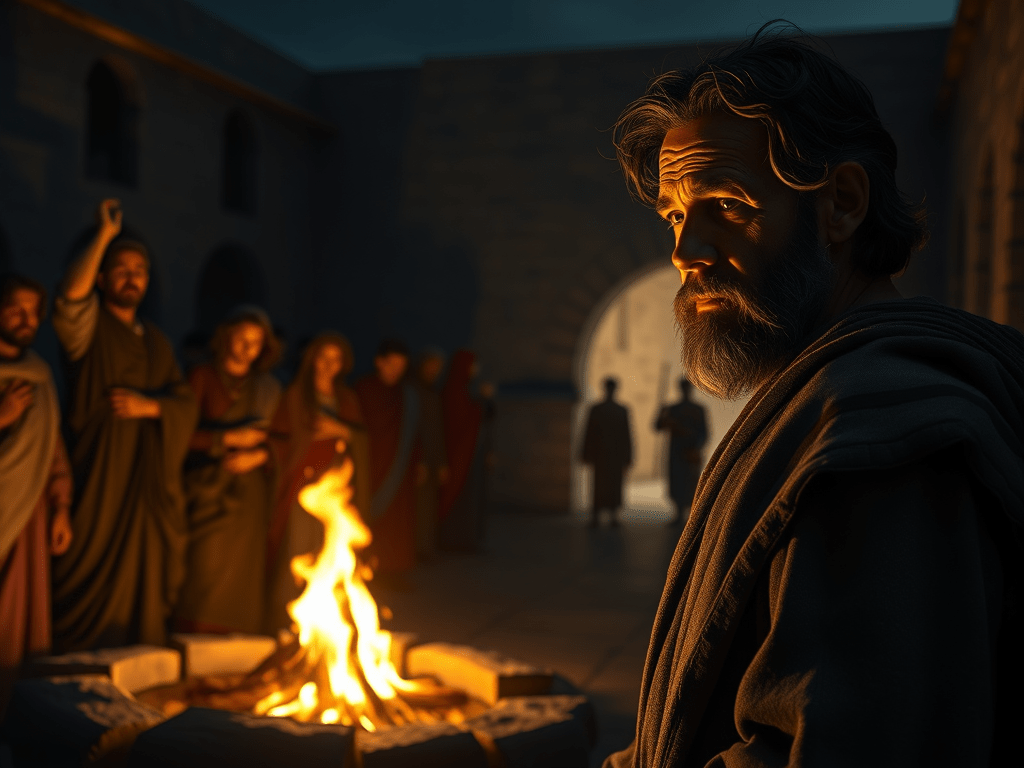
The theme for our reflection is “A Prophet.” In the biblical context, a prophet is a vessel chosen by God to serve as His divine spokesperson. They deliver messages, warnings, and guidance, acting as an essential intermediary to call humanity back to God’s path through the proclamation of truth and, at times, the manifestation of miracles.
In Deuteronomy 18:14-22, God issues a stern warning to the Israelites against pagan divination—such as sorcery and spiritism—and promises instead to raise a special prophet like Moses from among them. We are commanded to listen to this prophet, for he speaks the very words of God. To ignore him is to be held accountable by the Almighty. Conversely, false prophets who speak presumptuously or in the name of other gods face the ultimate judgment. The definitive test for authenticity is simple yet profound: does the prophecy actually come to pass?
To navigate our spiritual journey safely, we must explore the distinct characteristics of both the genuine prophet and the false prophet.
1. Characteristics of a True Prophet
A true prophet is not self-appointed; they are called and empowered by God. They live in absolute obedience to the Father’s voice, speaking only what they have been commanded to say to the Church and the world. The Lord declared: “I will raise up for them a prophet like you from among their fellow Israelites, and I will put my words in his mouth. He will tell them everything I command him” (Deuteronomy 18:18).
Because prophets are the personification of God’s voice in our midst, we are urged to listen with intent. Failure to obey carries heavy spiritual consequences: “I myself will call to account anyone who does not listen to my words that the prophet speaks in my name” (Deuteronomy 18:19).
Do we still have prophets in the 21st century? Absolutely. However, we must apply the biblical threshold found in Deuteronomy 18:21-22: “You may say to yourselves, ‘How can we know when a message has not been spoken by the Lord?’ If what a prophet proclaims in the name of the Lord does not take place or come true, that is a message the Lord has not spoken. That prophet has spoken presumptuously, so do not be alarmed.”
In our modern era, prophecy is both a spiritual gift and a ministry intended to instruct and bring understanding to God’s people. Paul encourages us: “…eagerly desire gifts of the Spirit, especially prophecy. 2 For anyone who speaks in a tongue does not speak to people but to God. Indeed, no one understands them; they utter mysteries by the Spirit. 3 But the one who prophesies speaks to people for their strengthening, encouraging and comfort. 4 Anyone who speaks in a tongue edifies themselves, but the one who prophesies edifies the church” (1 Corinthians 14:1-4). Furthermore, Ephesians 4:11-12 reminds us that “So Christ himself gave the apostles, the prophets, the evangelists, the pastors and teachers, to equip his people for works of service, so that the body of Christ may be built up.” Prophecy can operate alongside other roles; a person may be a teacher or pastor while simultaneously exercising the prophetic gift. It is also possible for any believer, yielded to the Spirit, to possess this gift and operate a prophetic ministry for the edification of the Body of Christ.
2. The Danger of False Prophets
Tragically, where there is the authentic, there is often the counterfeit. False prophets are those not called by God, or those who were once called but were rejected due to their disobedience. God’s stance on this is uncompromising: “But a prophet who presumes to speak in my name anything I have not commanded, or a prophet who speaks in the name of other gods, is to be put to death” (Deuteronomy 18:20).
While we do not seek physical execution in the 21st century, we have a spiritual mandate to expose these charlatans and prevent them from exploiting the flock. False prophets will go to any length—including the use of familiar spirits—to hypnotise the vulnerable, perform staged miracles, and teach doctrines that contradict Holy Scripture. These “prophets” sow seeds of confusion within families and lead their followers into mental and spiritual bondage.
We must remain vigilant. Acts 16:16-18 proves that evil spirits can mimic the prophetic by foretelling the future. When Paul encountered a girl with a spirit of fortune-telling, he didn’t celebrate her “accuracy”; he commanded the spirit to leave: “In the name of Jesus Christ, I command you to come out of her!” (Acts 16:18). At that moment, she was set free.
Therefore, we are strongly admonished: “Beloved, do not believe every spirit, but test the spirits to see whether they are from God, because many false prophets have gone out into the world” (1 John 4:1).
Conclusion
God, in His infinite mercy, provides prophets to speak His heart and build us up. To be saved and to please God, we must listen to His voice through these genuine messengers. Simultaneously, we must guard our hearts against the deceptive allure of false prophets who stand against the will of God. Let us continue to pray for and earnestly desire the true gift and ministry of prophecy in the Church of Christ.
Shalom.
PRAYER
Heavenly Father, we thank You for Your Word, which is a lamp to our feet and a light to our path. We thank You for the gift of the prophet—the voice that calls us back to Your heart. Lord, grant us the spirit of discernment. Sharpen our spiritual senses so that we may distinguish between Your truth and the deceptions of the enemy. Protect Your Church from charlatans and those who seek to exploit Your people for their own gain. Raise up in this generation men and women of integrity, filled with Your Spirit, who will speak Your Word without fear or compromise. May we be a people who listen, obey, and are edified by the true prophetic voice. In the mighty name of Jesus, Amen.

 NO BIBLE NO BREAKFAST DAILY BIBLE REFLECTIONS AND MORE
Leave a comment