

REFLECTION
REFLECTION
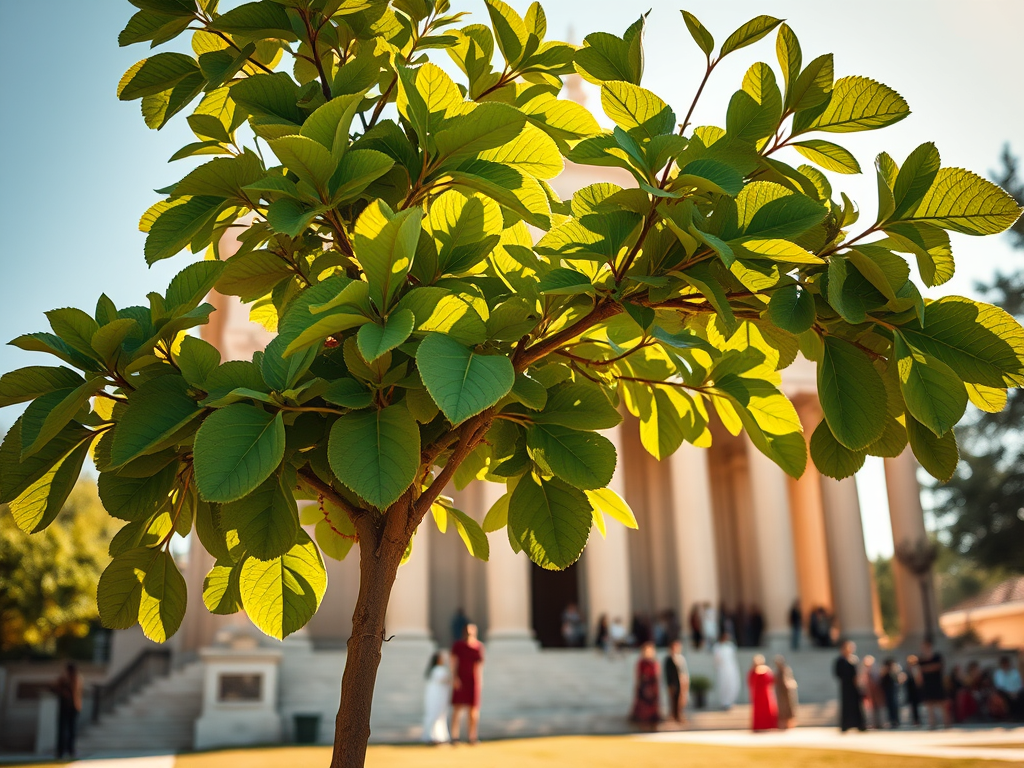
The theme for our reflection is ‘fig tree, temple, and justice’. To a casual reader, today’s Scripture might seem strange. Jesus appears to act unreasonably by cursing a fig tree simply because He found no fruit on it. Furthermore, to the Jewish leaders, He seemed to act disruptively by stopping the long-standing practice of money changing and the sale of sacrificial animals. These services were meant to help converts and Jews who had travelled long distances to celebrate the Passover in Jerusalem.
However, we must look closer. In the region’s climate, fig trees typically produce “early figs” (small edible buds) even before the main harvest. A tree covered in leaves was a bold advertisement of fruitfulness. By cursing the tree, Jesus was not having a “tantrum”; He was performing a “prophetic act.” This miracle is a living parable. The tree represented the nation of Israel—having the “leaves” of religious ritual but lacking the “fruit” of true righteousness.
“The next day as they were leaving Bethany, Jesus was hungry. Seeing in the distance a fig tree in leaf, he went to find out if it had any fruit. When he reached it, he found nothing but leaves, because it was not the season for figs. Then he said to the tree, ‘May no one ever eat fruit from you again.’ And his disciples heard him say it.” (Mark 11:12-14)
Jesus used this tree to show that God’s judgment falls on those who appear to be fruitful but are actually hollow. God will not tolerate hypocrisy. Jesus soon proved this by exposing the fruitlessness of the priesthood. This lesson applies to every disciple today. Jesus has not called us to a life of barrenness, but to a life of impact. He makes this point clear in John 15:1-4:
“I am the true vine, and my Father is the gardener. He cuts off every branch in me that bears no fruit, while every branch that does bear fruit he prunes so that it will be even more fruitful. You are already clean because of the word I have spoken to you. Remain in me, as I also remain in you. No branch can bear fruit by itself; it must remain in the vine. Neither can you bear fruit unless you remain in me.”
My dear friend, what kind of tree are you in the Church of Christ? Are you a fruitful fig tree or a barren one? Do you appear to be outwardly prayerful and obedient to God’s Word, but inwardly and in secret, you are not what you portray? Do we wear white dresses to church on Sunday, but our hearts are darkened with hatred, bitterness and wickedness? Let us be a fig tree that appears to bear fruit and indeed bears fruit.
Jesus then demonstrated this spiritual barrenness by exposing the corruption at the heart of the Temple. The chief priests were aware of the extortion and hardship imposed on worshippers, yet they remained silent—likely because they profited from it. Animals were sold at inflated prices, and money changers exploited strangers. Worship, which should lead to spiritual liberation, had been reduced to a predatory business.
“On reaching Jerusalem, Jesus entered the temple courts and began driving out those who were buying and selling there. He overturned the tables of the money-changers and the benches of those selling doves, and would not allow anyone to carry merchandise through the temple courts. And as he taught them, he said, ‘Is it not written: “My house will be called a house of prayer for all nations”? But you have made it “a den of robbers.” (Mark 11:15-17)
What is the focus of the Church in Africa today, is the church more concerned about the mission of Christ, engaging in social ministry, justice and winning more souls for the Kingdom of God? or Is the church more interested in amassing wealth, building gigantic and expensive temples, making most worship services a fundraising service for which the funds are not used for active and effective missionary work and Evangelism? What will be Jesus’ reaction towards our church? Will He be happy or displeased? What role or activities do we personally and collectively as a church undertake to seek the welfare of the poor and less privileged and to seek justice for them? May we Christians and the Church never become barren like the fig tree but remain relevant and fruitful in our generation.
CONCLUSION
The main lesson is clear: Religious appearance without moral substance is offensive to God. The withered fig tree and the cleared Temple both serve as a stern warning that God values justice, sincerity, and fruitfulness over empty rituals and greed. We are called to be “houses of prayer,” not “dens of robbers” or “barren branches.”
CALL TO ACTION
Do not let your faith be a mere outward show of “leaves.” This week, identify one practical way you can bear fruit. Whether it is speaking out against an injustice in your community, supporting a missionary, or helping a neighbour in financial distress, move beyond the ritual and into the mission. Be the fruit that the world is hungry for.
PRAYER
Lord Jesus, we thank You for Your Word, which prunes us. Forgive us for the times we have worn the leaves of religion while remaining barren of love and justice. Grant us the faith to move mountains and the courage to stand against corruption. Help us to remain in You, the True Vine, so that our lives may bring glory to the Father. Amen.



 NO BIBLE NO BREAKFAST DAILY BIBLE REFLECTIONS AND MORE
Leave a comment