

REFLECTION
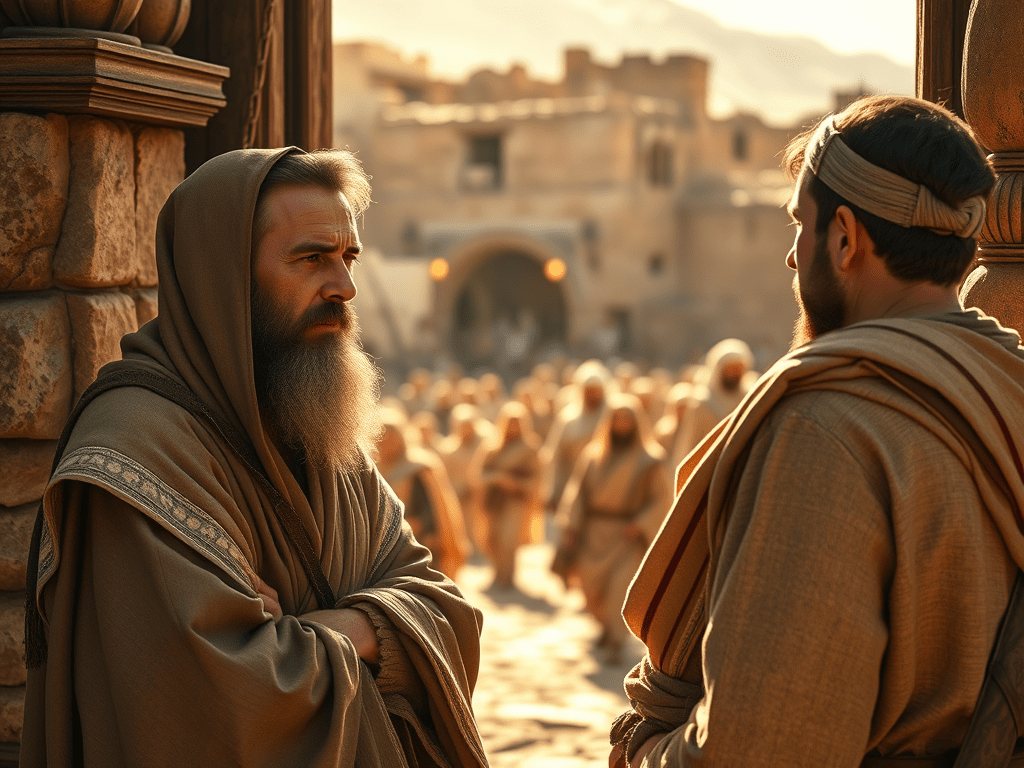
The theme for this reflection is Boaz’s Legal Claim (Ruth 4:1-6). This passage describes a formal meeting at the town gate where Boaz settles the future of Naomi and Ruth. The key phrase, “legal claim,” refers to the right and responsibility of a close relative to buy back family land and protect the family name. This process ensured that property stayed within the tribe and that widows were cared for.
The main lesson from this passage is that true godliness requires a willingness to sacrifice one’s own interests for the sake of others. While others may focus only on personal gain, the person of character acts with integrity and selflessness.
The Cost of Redemption
In the culture of ancient Israel, the “guardian-redeemer” (or Goel) had a specific duty. If a man died leaving a widow and land, his closest male relative was expected to buy the land and provide for the widow.
The Legal and Cultural Background
When Boaz sat at the gate, he presented the case to a relative who was closer in line than he was. At first, this man was happy to help. Ruth 4:4 records his initial response: “I will redeem it.” To him, it looked like a simple real estate deal—he would get more land for his estate.
However, Boaz then explained the full legal requirement. It wasn’t just about the soil; it was about the soul of the family. He told the man, “On the day you buy the land from Naomi, you also acquire Ruth the Moabite, the dead man’s widow, in order to maintain the name of the dead with his property” (Ruth 4:5).
Why the First Redeemer Refused
The first redeemer immediately changed his mind. He stated, “I cannot redeem it because I might endanger my own inheritance” (Ruth 4:6). His refusal was based on two main fears:
- Financial Risk: Any son born to Ruth would legally belong to her late husband’s line. That son would eventually inherit the land the redeemer had just paid for, meaning the redeemer would lose his money and the property.
- Family Reputation: Ruth was a foreigner from Moab. The redeemer was likely worried about how bringing a Moabite woman into his household would affect his social standing and his existing family’s future.
He wanted the benefit of the land without the burden of the person. Boaz, however, was different. He was willing to “endanger” his own estate to show kindness and keep a promise.
Conclusion
The story of Boaz’s legal claim reminds us that doing the right thing often comes at a price. The first redeemer is forgotten by history because he chose his own comfort over compassion. Boaz is remembered as an ancestor of Jesus because he chose to sacrifice his resources for the sake of a vulnerable family.
Call to Action: This week, look for an opportunity to help someone where there is no “profit” in it for you. Act with integrity even when it costs you something, knowing that God honours a heart that seeks the good of others.
Prayer
Dear Heavenly Father, thank You for the example of Boaz and his integrity. Help us to be people who keep our word and care for the vulnerable, even when it is not convenient. Forgive us for the times we have chosen our own gain over the needs of others. Give us the courage to act with selflessness and love. Amen.




 NO BIBLE NO BREAKFAST DAILY BIBLE REFLECTIONS AND MORE
Leave a comment