

REFLECTION
In the quiet moments of our lives, when the world feels overwhelming or the silence seems too heavy, we often find ourselves asking: “Is God really here?” The theme “God With Us – How Do We Know?” addresses the deepest yearning of the human heart—the need for assurance of the Divine presence. To say “God is with us” is not merely a comforting sentiment; it is a claim about reality.
The main lesson of this reflection is that we know God is with us not through the absence of struggle, but through His active, sacrificial involvement in our history and our personal pain. His presence is known by His tracks—the “splendid garments” stained by the battle He fights on our behalf.
To understand Isaiah 63:1–9, we must look at its historical context. The people of Israel were in a period of deep distress, grappling with the consequences of exile and the weight of their own failings. They felt abandoned. In this passage, the prophet sees a vision of a solitary, powerful figure approaching from Edom.
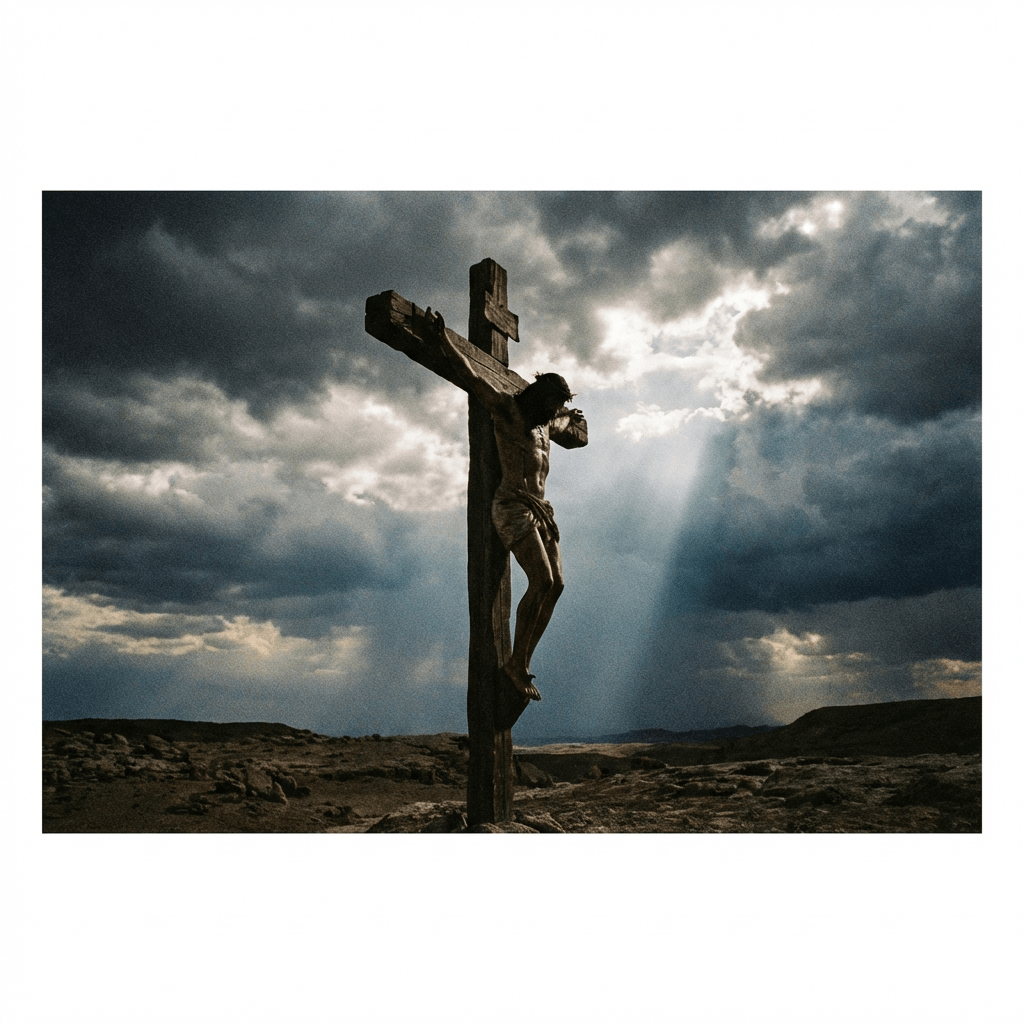
This figure is the Lord Himself, described as a mighty warrior. When asked why His robes are red, He explains He has been treading the winepress alone. This vivid, somewhat jarring imagery tells us something profound about the “God with us” theme: Our God is not a distant observer. He enters the “winepress” of human suffering and judgement so that we do not have to face it alone.
This leads us to the heart of the text in verse 9: “In all their affliction he was afflicted, and the angel of his presence saved them.” This is the ultimate proof of His presence. We know He is with us because He feels what we feel. He doesn’t just watch our tears; He shares the grief that causes them.
To further understand this active presence, we can look to two other pillars of Scripture: Psalm 23:4: “Even though I walk through the darkest valley, I will fear no evil, for you are with me.” Here, the “knowing” comes from the Shepherd’s rod and staff—tools of protection and guidance that are only useful if the Shepherd is physically present in the danger with the sheep. Matthew 1:23: “The virgin will conceive and give birth to a son, and they will call him Immanuel (which means ‘God with us’).” This is the ultimate fulfilment of Isaiah’s vision. In Jesus, God didn’t just send a message; He sent Himself, putting on the “garments” of human flesh to walk our dusty roads.
How does this look in our modern lives? We see the evidence of “God with us” when we find a supernatural strength to forgive someone who has wronged us—a strength that we know didn’t come from our own bitter hearts. We see it in the “coincidental” phone call from a friend exactly when we felt most isolated.
Just as the Israelites looked back at the “steadfast love of the Lord” (v. 7), we “know” He is with us by practising holy remembrance. When we look back at the obstacles we’ve crossed, we realise we didn’t get over them by our own power; we were carried by the One who was “afflicted in our affliction.”
Conclusion: The God Who Shares Our Journey
In summary, we know God is with us because He is a God who acts and a God who feels. Isaiah 63 reminds us that:
- God is active: He is the warrior fighting for our restoration.
- God is empathetic: In all our distress, He too is distressed.
- God is faithful: His presence is rooted in His “great goodness” and “multitude of mercies,” not in our performance.
Knowing God is with us doesn’t mean life will be easy, but it does mean we will never be alone in the winepress. He is there, His robes stained with the costs of His love for us.
PRAYER
Gracious and Almighty God,
We thank You that You do not remain distant in the heavens, but that You step into the messy, painful realities of our lives. We are humbled by the truth that in all our afflictions, You are also afflicted.
Forgive us for the times we have doubted Your presence simply because we could not see the way forward. Open our eyes to see the “splendour of Your robes” in our daily lives. Give us the grace to trust that even when we feel we are treading the winepress alone, You are there, carrying us with Your ancient love.
May we live this week with the quiet confidence of those who know they are never forsaken.
In the name of Immanuel, God with us, Amen.



 NO BIBLE NO BREAKFAST DAILY BIBLE REFLECTIONS AND MORE
Leave a comment