REFLECTION
The theme, “The Way to God and Life,” based on Matthew 7:1-14, presents us with a spiritual roadmap. To understand this theme, we must define its core components: “The Way” refers to the specific lifestyle and moral direction required of a believer; “God” is our ultimate destination and Father; and “Life” represents not just physical existence, but the eternal, abundant vitality found only in Christ. From this passage, we learn three vital lessons: the necessity of self-examination over judgment, the power of persistent prayer, and the urgency of choosing the narrow gate.
The Call to Righteous Living
The first step on the way to God involves how we treat our fellow travellers. Jesus begins with a stern warning: “Judge not, that you be not judged” (Matthew 7:1). This lesson teaches us that the way to God is paved with humility. We are often quick to spot a tiny “speck” of dust in a neighbour’s eye while ignoring the massive “log” in our own. In a practical sense, this means that before we criticise a colleague for being irritable or a friend for being dishonest, we must first examine our own hearts. As the Scripture says, “You hypocrite, first take the log out of your own eye, and then you will see clearly to take the speck out of your brother’s eye” (Matthew 7:5). Authentic life with God starts when we stop acting as judges and start acting as servants.
The second part of this journey focuses on our dependence on God. We cannot walk this path alone; we need divine strength. Jesus encourages us to be persistent in our relationship with the Father: “Ask, and it will be given to you; seek, and you will find; knock, and it will be opened to you” (Matthew 7:7). This is a promise of God’s provision. Just as a child might ask their parent for a meal and receive it with love, our Heavenly Father is even more eager to give “good things” to those who ask Him. Practical faith means taking our worries—whether they concern our health, our families, or our finances—to God in prayer, trusting that He is the source of all life.
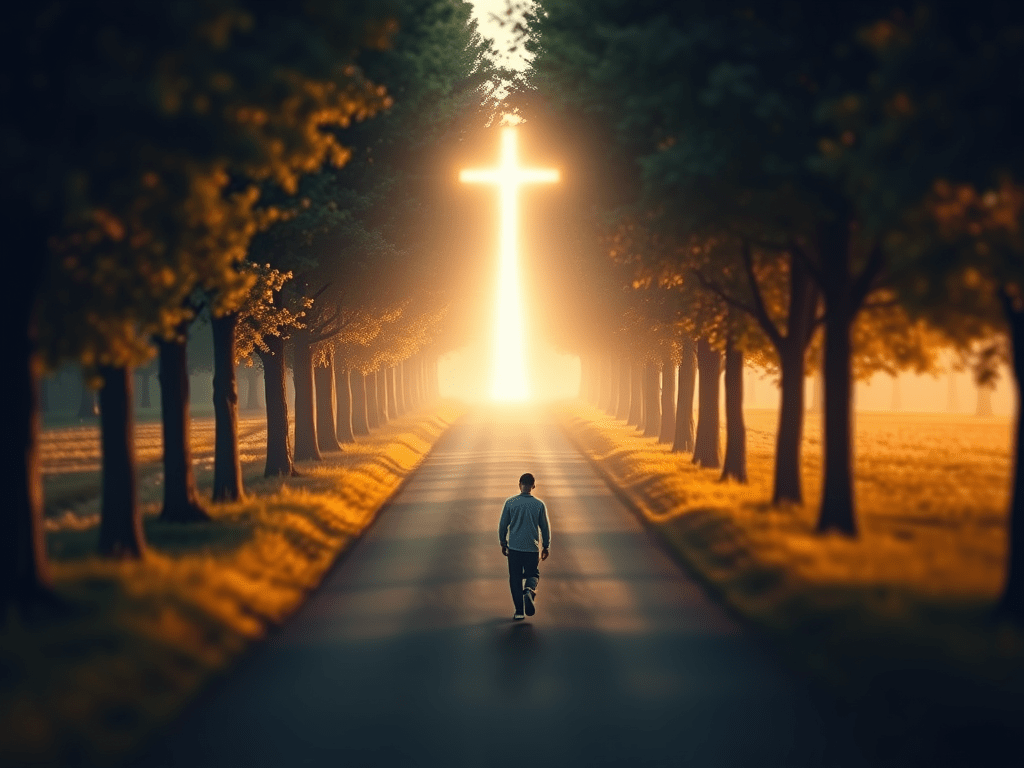
Finally, the way to God requires a deliberate choice. Jesus describes two paths: a wide, easy road that leads to destruction, and a hard, narrow way that leads to life. He commands us: “Enter by the narrow gate; for the gate is wide and the way is easy, that leads to destruction, and those who enter by it are many” (Matthew 7:13). In today’s world, the “wide gate” is the path of following the crowd, choosing convenience over conviction, and living only for ourselves. However, the path to God is restricted. It requires discipline, sacrifice, and a commitment to the “Golden Rule”: “So whatever you wish that men would do to you, do so to them; for this is the law and the prophets” (Matthew 7:12).
Conclusion: A Choice for Eternity
In summary, “The Way to God and Life” is a journey of inward transformation and outward obedience. We have learned that we must judge ourselves before others, rely on God through persistent prayer, and choose the difficult but rewarding path of righteousness. The wide gate may look appealing because it is crowded and easy, but it leads to a dead end. Conversely, “the gate is narrow, and the way is hard, that leads to life, and those who find it are few” (Matthew 7:14).
I urge you today: do not follow the majority simply because it is comfortable. Choose the narrow gate. Choose to love your neighbour, to seek God’s face daily, and to follow the teachings of Jesus Christ. This is the only road that ends in eternal joy and true life.
Prayer
Heavenly Father, we thank You for showing us the way to life through Your Son, Jesus Christ. Forgive us for the times we have judged others while ignoring our own faults. Give us the courage to choose the narrow gate, even when the world pulls us toward the easy path. Help us to ask, seek, and knock with confidence, knowing You are a good Father. Lead us by Your Spirit until we reach our home with You. In Jesus’ name, Amen.



 NO BIBLE NO BREAKFAST DAILY BIBLE REFLECTIONS AND MORE
Leave a comment