

REFLECTION
The theme “Remembering How It Was” is a powerful call to look back at our past, especially our spiritual journey and our relationship with God. To “remember” means more than just having a memory; it means to deeply think about and value what has happened before. In this context, it is about looking back at the peace and joy we once had in God’s presence. The key lesson in Psalm 137:1-4 is that losing our connection with God leads to a deep sadness that nothing else can fill. This passage was written during a dark time for the people of Israel. They had been taken away from their home in Jerusalem and were living as captives in Babylon. They were heartbroken because they were far from the place where they used to worship God.
The Pain of Spiritual Loss
The first thing we learn from this scripture is the deep pain that comes when we realise we are far from home. The Bible says, “By the rivers of Babylon we sat and wept when we remembered Zion” (Psalm 137:1). The Israelites were not crying because they were hungry or tired; they were crying because they missed Zion, the city of God. When we move away from God’s presence because of sin or distractions, we often find ourselves sitting by our own “rivers of Babylon”—places of loneliness and regret. We remember how it used to be when we prayed with fire and felt God’s peace. This sadness is actually a good sign; it shows that our hearts still long for our true home in God.
Losing the Song of Joy
Another important lesson is that we cannot truly be happy when we are out of touch with God. The scripture tells us, “There on the poplars we hung our harps” (Psalm 137:2). The harp was an instrument used for praise and celebration. By hanging them up, the people were saying they had lost their song. Their captors even mocked them, saying, “Sing us one of the songs of Zion!” (Psalm 137:3).
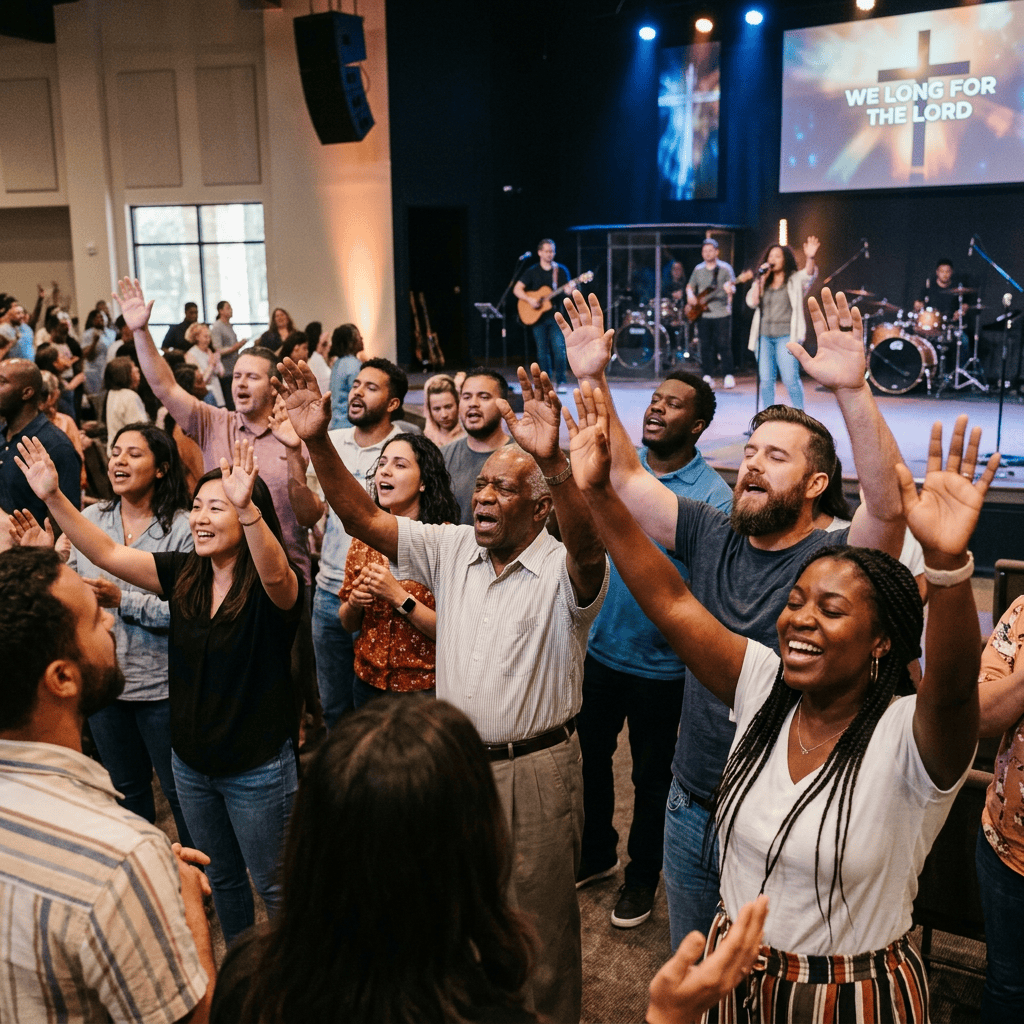
In our lives today, the world often tries to offer us entertainment or success to make us forget our spiritual hunger. But like the Israelites, we must realise that worldly pleasures cannot replace the joy of the Holy Spirit. If you find that you no longer have a song in your heart or that your worship feels empty, it may be because you have “hung up your harp” in a foreign land. As Psalm 16:11 reminds us, “You make known to me the path of life; you will fill me with joy in your presence, with eternal pleasures at your right hand.” Without that presence, the music stops.
The Struggle to Worship in a Foreign Land
Finally, the Bible asks a very challenging question: “How can we sing the songs of the Lord while in a foreign land?” (Psalm 137:4). This teaches us that true worship requires a heart that is right with God. A “foreign land” represents any lifestyle, habit, or mindset that is opposite to God’s Word. You cannot comfortably live in sin and still sing the songs of the Lord with a sincere heart. To get our song back, we must decide to leave the “foreign land” and return to God.
Conclusion
In summary, Psalm 137:1-4 teaches us that remembering our spiritual roots is essential. It shows us that being away from God brings a sorrow that the world cannot fix, and it reminds us that our true joy is found only in His presence. We must not let the distractions of life make us hang up our harps.
Call to Action: Today, I encourage you to look at your life. Have you drifted away from your first love for God? If you have lost your joy or your song, do not stay by the rivers of Babylon. Decide today to return to prayer, to the Word of God, and to a life of worship. Do not let your memories of “how it was” just be a source of sadness; let them be the motivation to go back to God right now.
Prayer
Heavenly Father, I thank You for Your Word. I admit that sometimes I have drifted into “foreign lands” and lost the joy of Your presence. Today, I remember how it was when I was close to You. Please forgive me and help me to take my harp down from the trees. Fill my heart with a new song and lead me back to the place of peace and worship. In Jesus’ name, Amen.

 NO BIBLE NO BREAKFAST DAILY BIBLE REFLECTIONS AND MORE
Leave a comment