

REFLECTION
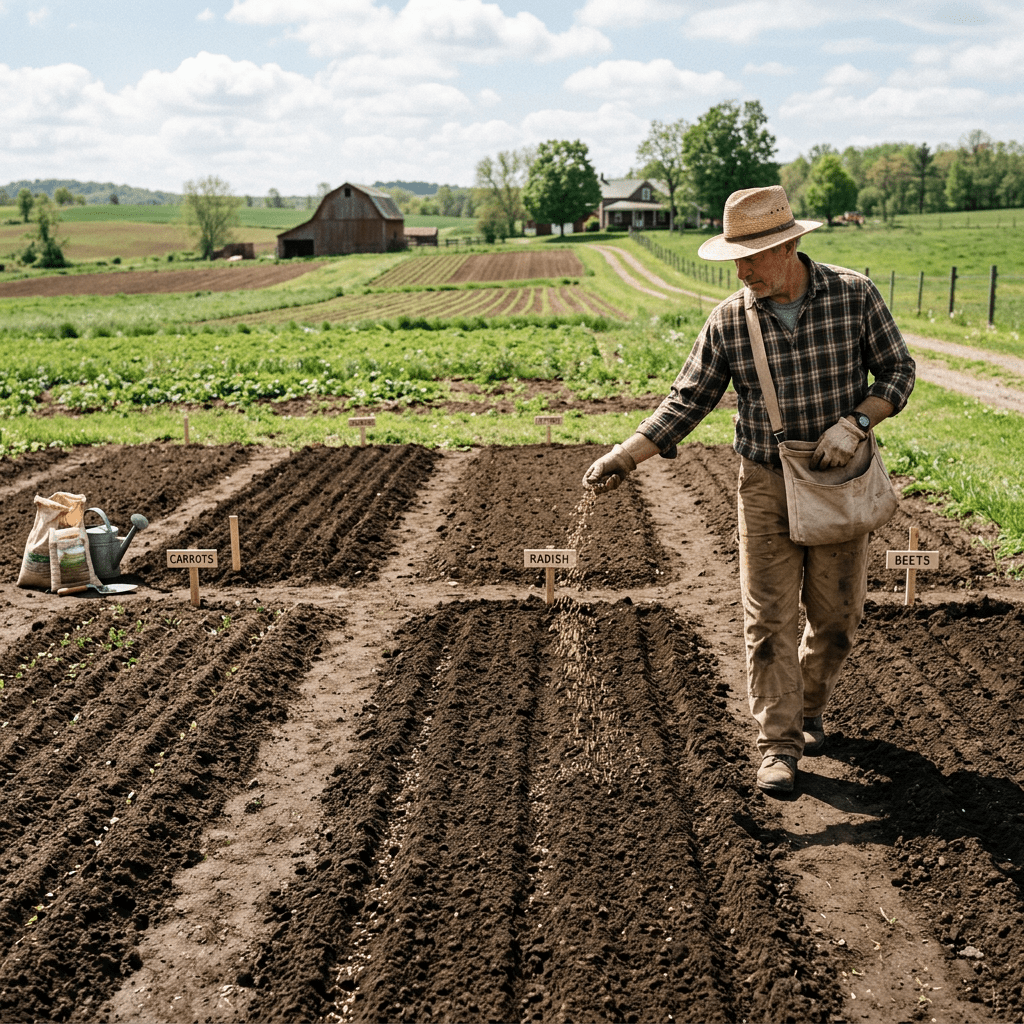
The theme “Look! Listen!” is a powerful call to spiritual awareness. To “look” means more than just using our eyes; it means to observe with insight and recognise the presence of God around us. To “listen” goes beyond hearing noise; it involves paying deep attention and obeying the truths we hear. In Matthew 13:1-23, Jesus teaches us that the condition of our hearts determines whether we truly see and hear God’s message. The key lesson is that the Word of God is like a seed, and for it to grow, we must cultivate a heart that is open, soft, and ready to act.
This passage, known as the Parable of the Sower, was told by Jesus to a large crowd gathered by the Sea of Galilee. He used the familiar image of a farmer scattering seeds to explain why people react differently to the Gospel.
Understanding the Soil of Our Hearts
The first lesson Jesus teaches is that many people hear the Word but do not truly listen. He speaks of seeds falling on a path where birds eat them up. Jesus explains, “When anyone hears the message about the kingdom and does not understand it, the evil one comes and snatches away what was sown in their heart” (Matthew 13:19). If our hearts are hardened by pride or bitterness, the message cannot even begin to grow. We must look at our lives and ask if we have become indifferent to God’s voice.
Another group of people listens with joy at first, but they do not “look” deep enough to build a foundation. These are the seeds on rocky ground. “But since they have no root, they last only a short time. When trouble or persecution comes because of the word, they quickly fall away” (Matthew 13:21). A practical example of this is a person who goes to church and feels inspired on Sunday but gives up on their faith as soon as they face a difficult day at work or a disagreement with a friend. To survive, we need the deep roots of prayer and daily devotion.
Jesus also warns us about the “thorns” that choke our spiritual life. He says, “The seed falling among the thorns refers to someone who hears the word, but the worries of this life and the deceitfulness of wealth choke the word, making it unfruitful” (Matthew 13:22). In our modern world, we are often too busy looking at our phones or worrying about money to listen to God. We must remember the advice in Proverbs 3:5: “Trust in the Lord with all your heart and lean not on your own understanding.” If we focus only on worldly success, we lose the spiritual fruit that actually matters.
The final lesson is the beauty of the good soil. Those who truly look and listen are those who produce a harvest. “But the seed falling on good soil refers to someone who hears the word and understands it. This is the one who produces a crop, yielding a hundred, sixty or thirty times what was sown” (Matthew 13:23). When we apply the Bible to our lives—by being kind to a neighbour or being honest in our business—we are like that good soil.
Conclusion
In summary, the Parable of the Sower reminds us that God is always speaking, but we must choose how we receive Him. We must avoid the hardness of the path, the shallowness of the rocks, and the distractions of the thorns.
My call to action for you today is simple: Take five minutes of silence this evening. Put away your distractions, open your Bible, and ask God to show you the state of your heart. Do not just hear the words; listen to them. Do not just see the pages; look for the truth. As Jesus said, “Whoever has ears, let them hear” (Matthew 13:9). Let us be the good soil that brings glory to God through a fruitful life.
Prayer
Dear Lord, thank You for the seed of Your Word. Please forgive us for the times we have been too busy to listen or too blind to look for Your hand in our lives. Soften the hard places in our hearts and pull out the thorns of worry and greed. Help us to be good soil, so that Your truth can grow in us and bless everyone we meet. Amen.




 NO BIBLE NO BREAKFAST DAILY BIBLE REFLECTIONS AND MORE
Leave a comment