

REFLECTION
The theme of this reflection is “JESUS”. When we look at this name, we are looking at the core of the Christian faith. The name Jesus means “the Lord saves”, which shows his main mission on earth. He is also called the Christ, which means the “Anointed One”, chosen by God for a special task. In this reflection, we focus on his identity as both fully human and fully divine. The key lesson in our scripture text is that Jesus chose to completely surrender his own human desires to obey God’s perfect plan. This beautiful act of submission shows us the true heart of Jesus.
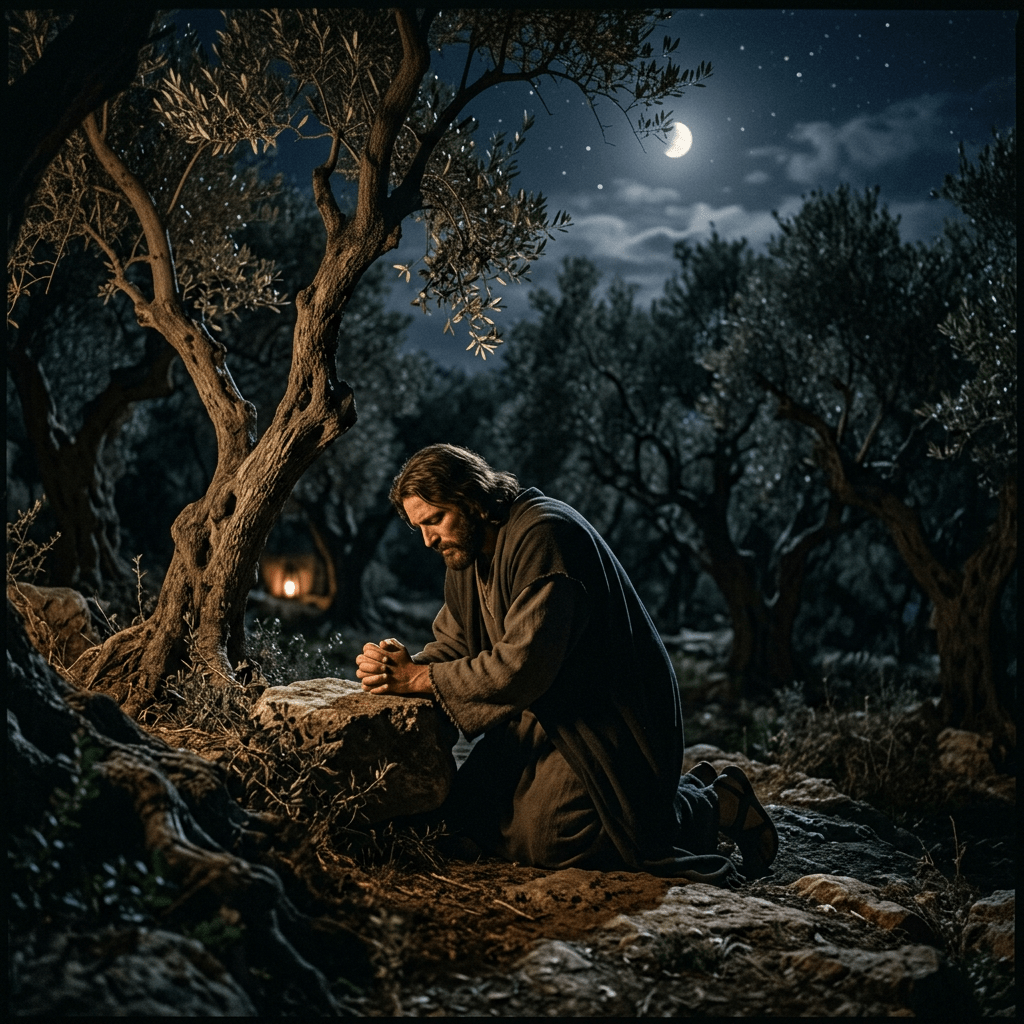
To understand this scripture better, we must look at its background. Mark 14:32-42 takes place in the Garden of Gethsemane. It is late at night, just after Jesus shared the Last Supper with his disciples. He knows that in a few hours, he will be betrayed by Judas, arrested, and sentenced to die on a painful cross. He walks into the quiet garden with his closest friends, carrying the heavy weight of the world’s sins on his shoulders.
The Deep Sorrow and Humanity of Jesus
The first major lesson we learn from this text is that Jesus experienced real human suffering and emotions. He was not a distant figure who could not feel pain. The Bible tells us that he took Peter, James, and John with him, and “he began to be deeply distressed and troubled” (Mark 14:33). He did not hide his feelings from his friends. Instead, he honestly admitted, “My soul is overwhelmed with sorrow to the point of death” (Mark 14:34).
This teaches us that Jesus understands our deepest struggles. When we go through difficult times, like losing a loved one or facing a frightening future, we can remember that Jesus felt those exact emotions too. As the Bible reminds us in Hebrews 4:15, “For we do not have a high priest who is unable to feel sympathy for our weaknesses, but we have one who has been tempted in every way, just as we are—yet he did not sin.” Jesus shows us that it is not a sin to feel sad or overwhelmed; what matters is where we take that sadness.
The Power of Praying for God’s Will
The second vital lesson is how Jesus handled his deep distress through prayer. He did not run away or give up. He fell to the ground and asked God if there was any other way to save humanity. He prayed, “Abba, Father, everything is possible for you. Take this cup from me. Yet not what I will, but what you will” (Mark 14:36). The word “cup” here refers to the terrible suffering and separation from God that he was about to face on the cross.
Jesus knew that God had the power to change the situation, but he chose to value God’s plan above his own comfort. This is a powerful challenge for us today. Often, when we pray, we try to tell God what to do. For example, if we are praying about a difficult job situation or a broken relationship, we might demand that God fix it our way. But Jesus models a different kind of prayer. He shows us how to trust God so much that we can say, “Please help me, but let your will be done, not mine.”
The Weakness of Men and the Call to Watch
While Jesus was praying in agony, his disciples were failing him. He came back three times and found them sleeping. He specifically questioned Peter: “Simon, are you asleep? Couldn’t you keep watch for one hour?” (Mark 14:37). He then gave them, and us, a very important warning: “Watch and pray so that you will not fall into temptation. The spirit is willing, but the flesh is weak” (Mark 14:38).
The disciples wanted to support Jesus, but their physical bodies were tired, and they let their guard down. This serves as a warning for our daily lives. We may have good intentions to live a good life, read our Bibles, and love our neighbours. However, our human nature is weak. If we do not actively protect our spiritual lives through daily prayer and staying alert, we can easily fall into bad habits, selfishness, and temptation.
Conclusion
In summary, Mark 14:32-42 gives us a clear window into the heart of Jesus. We see his deep human emotions, his ultimate trust in God through prayer, and his absolute willingness to suffer for our sake. He stood strong even when his closest friends fell asleep and failed him.
Now, we are called to action. We must examine our own lives. Are we trying to control our own lives, or are we willing to surrender our plans to God? Let us make a firm decision today to copy the example of Jesus. When you face your own “Gethsemane” moments—when life is hard and the future looks dark—choose to watch and pray. Drop your own selfish desires, trust in the Father’s perfect plan, and step forward in faith.
Prayer
Dear Heavenly Father, thank you for sending your Son, Jesus, to experience human suffering and to die for our sins. We praise you because he chose your will over his own comfort. Please forgive us for the times we have been spiritually asleep and failed to watch and pray. Give us the strength to surrender our lives completely to you, even when it is difficult. Help us to say with all our hearts, “not what I will, but what you will.” In Jesus’ name, we pray. Amen.



 NO BIBLE NO BREAKFAST DAILY BIBLE REFLECTIONS AND MORE
Leave a comment