
REFLECTION
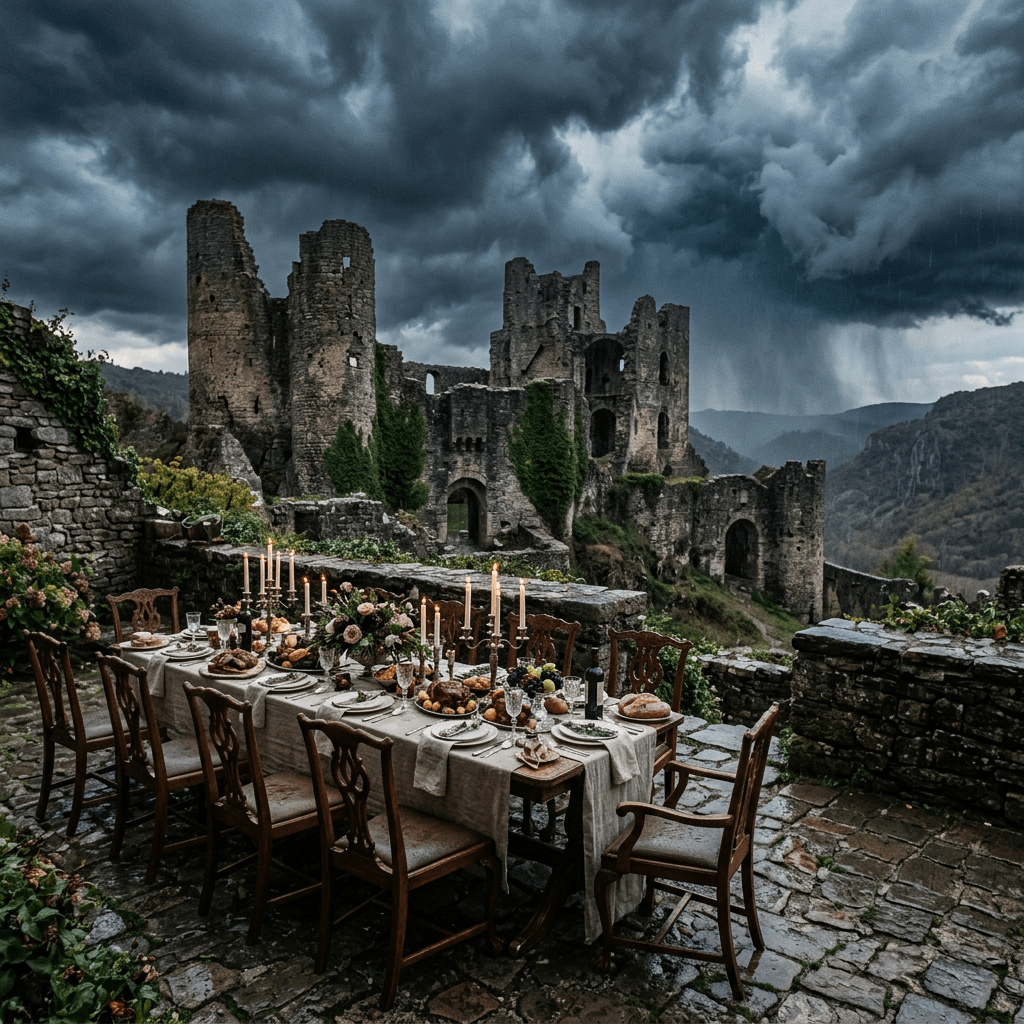
The theme of this reflection is “LET US EAT AND DRINK.” To understand this theme, we must look closely at its core words. To “eat” and “drink” generally means to take in food and liquid for physical life. However, in this specific text, the phrase “Let us eat and drink” means more than just satisfying hunger. It describes a lifestyle of carnal security, wild pleasure, and a refusal to acknowledge God. It represents a state where human beings choose temporary enjoyment over eternal safety.
The key lesson in this Scripture is that relying on our own human strength and seeking worldly pleasures during a crisis, instead of turning to God in repentance, leads to spiritual disaster.
The background to this passage takes us back to ancient Jerusalem. The city was facing a terrifying military threat from a cruel enemy, most likely the Assyrian army. Instead of crying out to God for deliverance, the leaders and the people of Jerusalem tried to fix the problems using their own wisdom. When fear took over, they gave up all hope and threw a massive party, deciding that if death was near, they might as well enjoy their final moments.
The selected Scripture shows us how easy it is for human beings to look at everything else except the Lord when trouble comes. In Isaiah 22:8-11, the Prophet Isaiah notes that the people looked to the weapons in the Palace of the Forest. They saw that the walls of the City of David were broken through in many places. They stored up water and even tore down houses to strengthen the city walls.
There is nothing wrong with being prepared, but the tragedy was their complete neglect of the Almighty. The Bible states in Isaiah 22:11, “but you did not look to the One who made it, or have regard for the One who planned it long ago.”
Instead of humbling themselves, the people chose a path of deep spiritual blindness. The text reveals a shocking contrast between what God wanted and how the people acted:
“The Lord, the LORD Almighty, called you on that day to weep and to wail, to tear out your hair and put on sackcloth. But see, there is joy and revelry, slaughtering of cattle and killing of sheep, eating of meat and drinking of wine! ‘Let us eat and drink,’ you say, ‘for tomorrow we die!’” (Isaiah 22:12-13)
This tells us that when God calls for repentance, human pride often answers with wild celebrations. The people used food and drink as an escape from reality.
We see similar practical examples in our world today. When people face financial trouble, health crises, or broken relationships, they often run to temporary comforts. Some turn to alcohol, others to wild parties, and many to endless entertainment just to forget their pain. Like the citizens of Jerusalem, we often try to patch up our problems with our own money, connections, or skills, completely forgetting to pray.
This dangerous attitude of “Let us eat and drink, for tomorrow we die” is a symptom of a heart that does not believe in God’s future justice or the reality of eternity. The Apostle Paul warns against this exact mindset in the New Testament when discussing those who do not believe in the resurrection of the dead. In 1 Corinthians 15:32, he writes, “If the dead are not raised, ‘Let us eat and drink, for tomorrow we die.’”
When we live only for the present moment, we live like animals rather than children of God. True safety is never found in physical walls or worldly pleasures; it is found only in the living God.
Conclusion
In summary, Isaiah 22:1-13 teaches us that self-reliance and worldly escape are empty answers to life’s deepest crises. The people of Jerusalem prepared their weapons, fixed their walls, and secured their water, but they forgot the God who created them. When fear overwhelmed them, they chose the path of reckless pleasure, saying, “Let us eat and drink.”
Today, you are invited to a call to action. Stop running to temporary pleasures to hide your worries or your sins. Examine your life today. Are you trusting in your own strategies, your savings, or your job to save you? When troubles come, do you seek comfort in worldly distractions? Turn away from carnal security. Let us deliberately choose to look to the One who planned our lives long ago, making Him our first point of safety.
Prayer
O Lord God Almighty, we come before You today acknowledging that we have often trusted in our own strength and looked to worldly pleasures for comfort. Forgive us for the times we have said “let us eat and drink” while ignoring Your call to holiness and prayer. We ask that You strip away our false security. Help us not to rely on our own broken walls or human weapons. Turn our hearts back to You in true repentance. May we always look to You, our Creator and Planner, as our ultimate shield and protector. In the precious name of our Lord, we pray. Amen.





Leave a comment