
REFLECTION
The theme of this reflection is “PUTTING HIM DOWN”. To understand this deeply, we must first look at what these words mean in our daily lives. To “put” means to place someone or something in a specific position. “Him” refers to a person—in this case, God’s servant or anyone standing up for the truth. “Down” means moving to a lower place, but it also means to humiliate, silence, or degrade someone. Therefore, “putting him down” speaks about the deliberate actions of others to suppress a person’s voice, lower their status, or abandon them in a dark place because their message is uncomfortable.
The key lesson in Jeremiah 38:1–13 is that while the world may try to lower, silence, or destroy those who speak the truth, God always provides a way of rescue through unexpected people, showing that His servants are never completely abandoned.
To understand this text, we must look at its historical background. The events took place during the final years of the kingdom of Judah. Jerusalem was surrounded by the Babylonian army. King Zedekiah was a weak ruler who feared his own officials. God gave the prophet Jeremiah a very unpopular message: he told the people that if they stayed in the city, they would die by the sword, famine, or plague, but if they surrendered to the Babylonians, they would live. The royal officials saw this message as treason. They believed Jeremiah was discouraging the soldiers, so they demanded that the king put him to death.
The Reality and Rescue of Being Put Down
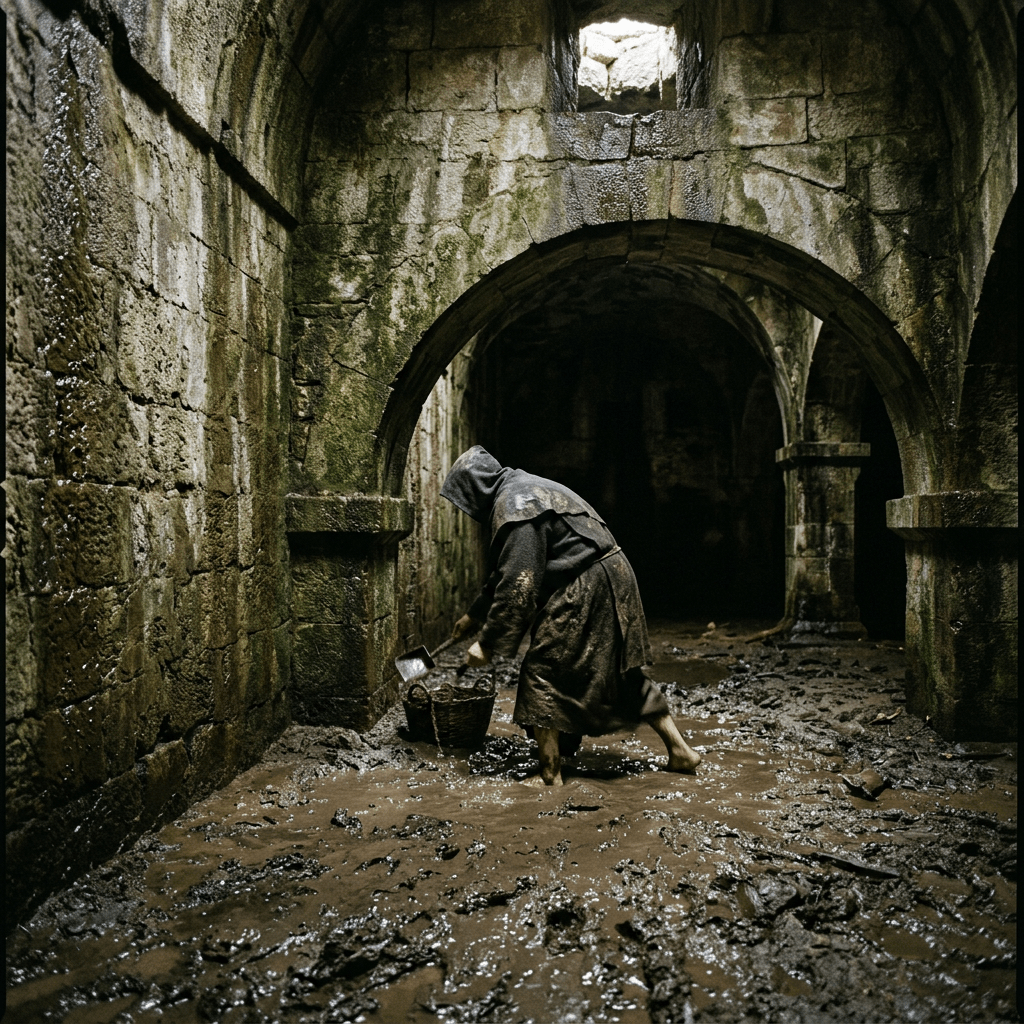
The Scripture reveals the intense malice of Jeremiah’s enemies. In Jeremiah 38:6, we read: “So they took Jeremiah and put him into the cistern of Malkijah, the king’s son, which was in the courtyard of the guard. They lowered Jeremiah by cords; it had no water in it, only mud, and Jeremiah sank into the mud.”
This act of throwing Jeremiah into a dark, muddy pit is a powerful picture of what happens when people try to destroy our character or influence. The officials did not want to see or hear Jeremiah anymore. They wanted him forgotten at the lowest point possible.
In our world today, we face similar situations. You might find yourself being “put down” at your workplace, within your family, or among your friends simply because you choose to do what is right or speak the truth. People might spread false rumours, ignore your contributions, or isolate you to make you feel worthless and sink into the “mud” of despair and loneliness.
However, the scripture teaches us a beautiful lesson about God’s faithfulness. When human beings put us down, God raises helpers to lift us up. In Jeremiah’s case, God used an unexpected foreigner named Ebed-Melek, a Cushite official in the royal palace. Ebed-Melek showed great courage by going directly to the king to plead for Jeremiah’s life. He said in Jeremiah 38:9, “My lord the king, these men have acted wickedly in all they have done to Jeremiah the prophet. They have thrown him into a cistern, where he will starve to death when there is no longer any bread in the city.”
This reminds us of Psalm 40:2, which says, “He lifted me out of the slimy pit, out of the mud and mire; he set my feet on a rock and gave me a firm place to stand.” God does not leave us to die in the pits that people dig for us. He always hears our cries and uses people—sometimes those we least expect—to show us mercy and pull us out of our dark situations.
The story ends beautifully with a display of tenderness and care during the rescue. Ebed-Melek did not just pull Jeremiah out roughly; he used old rags and worn-out clothes under Jeremiah’s armpits to protect him from the rough ropes. As Jeremiah 38:13 records, “So they pulled Jeremiah up with the cords and lifted him out of the cistern. And Jeremiah remained in the courtyard of the guard.” Jeremiah was rescued because someone cared enough to speak up and act.
Conclusion
In summary, Jeremiah 38:1–13 teaches us that standing up for God and speaking the truth can sometimes attract hatred, isolation, and attempts by others to put us down. However, it also proves that our God is a rescuer. He sees us when we are at our lowest point, He moves the hearts of others to defend us, and He safely lifts us out of the mud of life’s challenges.
Our call to action today is twofold. First, if you are currently in a “cistern” of life—feeling rejected, humiliated, or pushed down by others—do not lose hope. Trust that God sees your situation and is working behind the scenes to lift you up. Second, we are called to be like Ebed-Melek. Look around you for those who are being put down, silenced, or treated unfairly in your community, school, or workplace. Be the courageous voice that speaks up for them and the helping hand that lifts them out of their distress.
Prayer
Dear Heavenly Father, I thank You because You are the God who sees me at my lowest points. Whenever the world tries to put me down, humiliate me, or silence my voice, remind me that Your hand is always long enough to rescue me. Grant me the courage of Jeremiah to stand firmly on Your truth, no matter how unpopular it might be. Fill my heart also with the compassion of Ebed-Melek, so that I will not stand by silently while others are being oppressed or pushed down. Use me to lift others up and to bring Your light into the dark pits of this world. In Jesus’ name, I pray. Amen.



 NO BIBLE NO BREAKFAST DAILY BIBLE REFLECTIONS AND MORE
Leave a comment