

REFLECTION
Introduction
The theme of this reflection is “The Reputation of the Canaanite Woman (Matthew 15:21–39)”. To understand this message fully, it is essential to define the key words in the theme. A reputation refers to the beliefs, opinions, or image that people hold about someone based on their character, background, or actions. A Canaanite woman refers to a Gentile woman living in the region of Tyre and Sidon, who belonged to a nation historically viewed by the Israelites as enemies and outsiders.
The central lesson of this Scripture passage is that true faith and humility can transform a negative reputation into a testament of great faith that receives divine mercy.
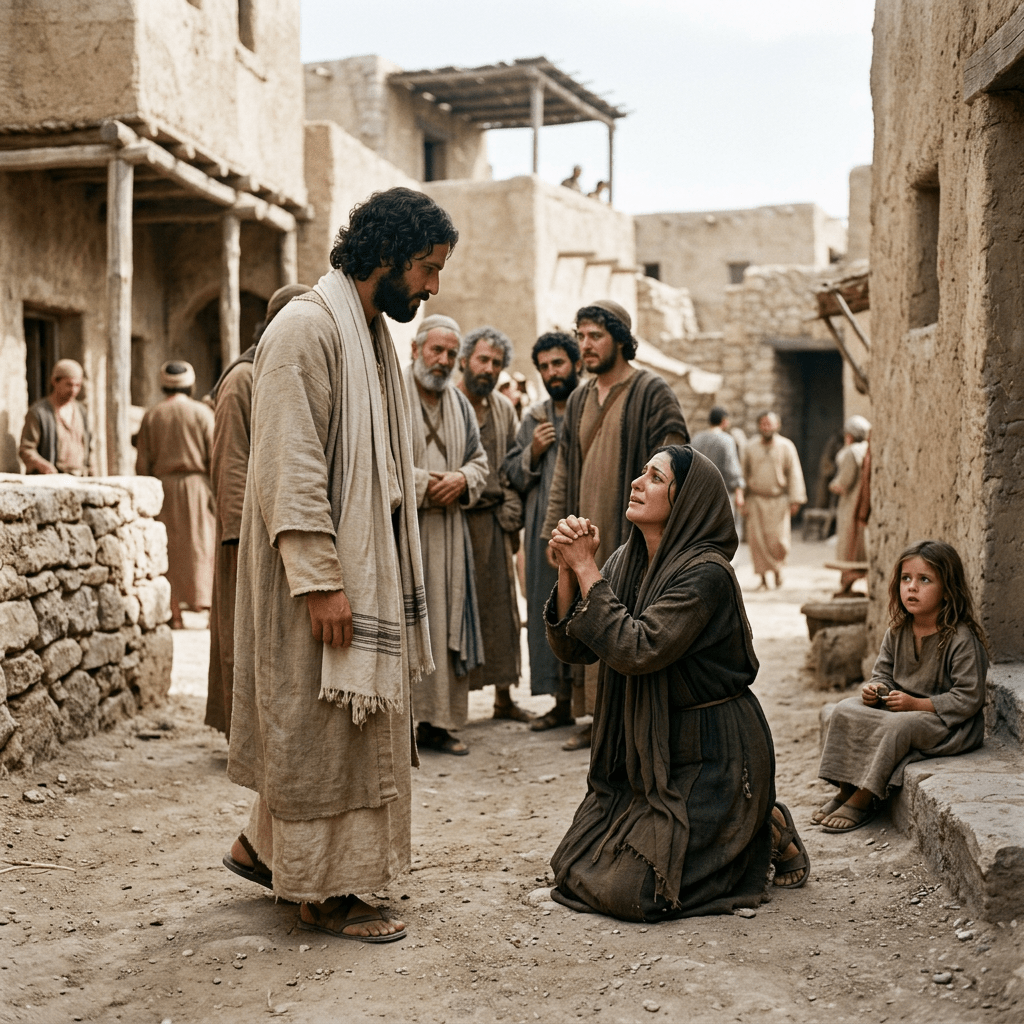
In the background of Matthew 15:21–28, Jesus withdrew to the coastal region of Tyre and Sidon. A local Canaanite woman approached Him, crying out for her demon-possessed daughter. Culturally and religiously, she had two major disadvantages: she was a woman in a patriarchal society, and she was a Canaanite, a group traditionally rejected by Jewish society. Yet, despite her background and initial silence or sharp-tested words from the disciples and Jesus, her desperate need drove her to seek Jesus with unshakeable determination. This narrative is immediately followed in Matthew 15:29–39 by Jesus healing many people and feeding four thousand, showing that God’s compassion extends broadly to all who come to Him.
Key Lessons from the Reputation of the Canaanite Woman
1. Faith Overcomes Background and Social Labels
Society often judges people by their origin, ethnicity, gender, or past mistakes. In the eyes of the disciples, this woman’s reputation as a Canaanite made her unworthy of attention. When she kept crying out, the disciples urged Jesus, “Send her away, for she keeps crying out after us” (Matthew 15:23). However, the woman did not allow societal rejection to define her worth or stop her from seeking help.
In our daily lives, many people carry reputations given to them by others—labels like “failure”, “outsider”, or “unworthy”. Practical experience shows that when we focus on God rather than human opinion, our story changes. As Scripture reminds us in 1 Samuel 16:7, “The Lord does not look at the things people look at. People look at the outward appearance, but the Lord looks at the heart.” Your background does not limit what God can do in your life if you approach Him with faith.
2. Persistent Prayer and Great Humility
When Jesus tested her faith by stating, “I was sent only to the lost sheep of Israel” (Matthew 15:24), and adding, “It is not right to take the children’s bread and toss it to the dogs” (Matthew 15:26), the woman did not take offence or walk away in anger. Instead, she knelt before Him and replied with profound humility and insight: “Yes, it is, Lord,” she said. “Even the dogs eat the crumbs that fall from their master’s table” (Matthew 15:27).
Her humble reputation was built on her willingness to accept any small measure of grace from the Lord. She understood that even a “crumb” of Jesus’ power was more than enough to heal her daughter. In our daily Christian walk, we often give up when our prayers seem unanswered at first. Practical persistence in prayer means continuing to trust God even when circumstances feel discouraging. Jesus commended her spirit, saying, “Woman, you have great faith! Your request is granted” (Matthew 15:28). This aligns with Hebrews 11:6, which states that “and without faith it is impossible to please God, because anyone who comes to him must believe that he exists and that he rewards those who earnestly seek him.”
3. God’s Mercy Extends to Everyone
The broader context of Matthew 15:21–39 demonstrates that God’s mercy is not limited to a select group. After healing the Canaanite woman’s daughter, Jesus went on to heal many people on a mountainside and fed four thousand people who had been with Him for three days, saying, “I have compassion for these people; they have already been with me three days and have nothing to eat” (Matthew 15:32).
The Canaanite woman’s faith broke down cultural barriers, showing that anyone who approaches God in sincerity will receive His mercy. As Romans 10:13 affirms, “Everyone who calls on the name of the Lord will be saved.”
Conclusion
The story of the Canaanite woman teaches us that our past, our background, or what people say about us does not limit God’s love and power. Though she was seen as an outsider with a poor reputation among the religious community of her day, her persistent faith, reverence, and deep humility earned her the highest commendation from Jesus Himself.
Call to Action:
Do not allow the opinions of others or your past background to keep you away from Jesus. Whatever burden, sickness, or trial you are facing today, bring it to the Lord with persistence and humility. Refuse to be discouraged by delays or difficulties. Trust that even the smallest measure of God’s grace is sufficient for your needs, and build a reputation defined by genuine faith in God.
Prayer
Dear Heavenly Father,
We thank You because Your love and mercy are available to everyone, regardless of our background or past mistakes. Grant us the persistent faith and genuine humility of the Canaanite woman. Help us never to be discouraged by the labels or opinions of this world, but to keep our eyes fixed on You.
Lord, where we feel unworthy or helpless, remind us that Your grace is sufficient for us. Strengthen our hearts to seek You earnestly in prayer, believing that You hear and answer us. May our lives build a reputation that honours Your holy name.
Through Jesus Christ our Lord, we pray.
Amen.





Leave a comment