
REFLECTION
The theme of this reflection is “Rights of Slaves”, drawn from Exodus 21:20–27. To grasp this message clearly, we must first understand the terms. A “right” is a just claim, an entitlement to fair treatment, protection, and dignity that no authority should take away. A “slave” or servant in the ancient biblical world was a person bound to work for another, often due to debt, poverty, or social status. When we bring these two concepts together, we see a profound biblical truth: even individuals placed in the lowest social station possess God-given rights that must be acknowledged and protected. The key lessons of this passage teach us that human life is sacred to God, that masters are accountable for how they treat their subordinates, and that abuse destroys authority and demands restitution.
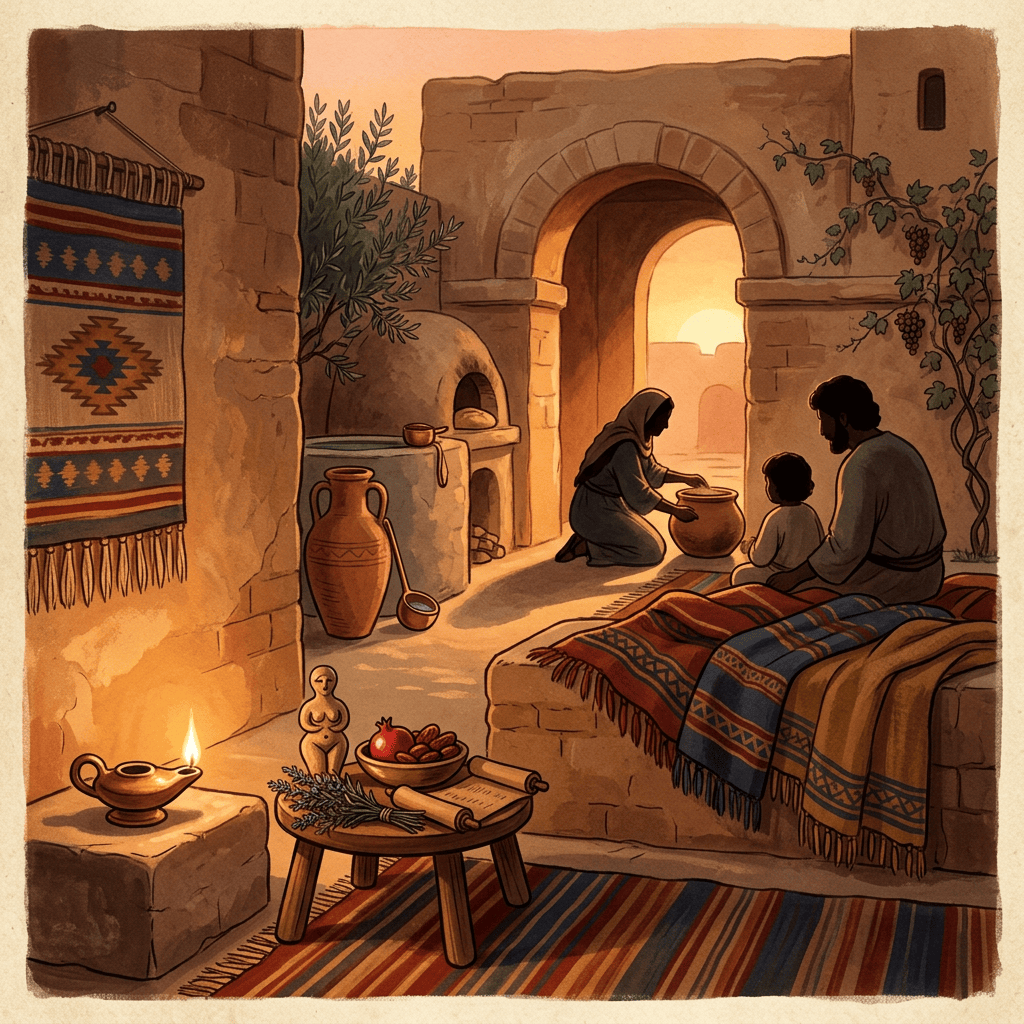
To appreciate the weight of Exodus 21:20–27, we must consider its historical background. In the ancient Near East, surrounding nations viewed enslaved persons merely as property; masters held the power of life and death without legal consequence. However, Israel was freshly delivered from cruel bondage in Egypt. Having heard their cries, God gave them the Covenant Code at Mount Sinai. These civil laws were revolutionary: they curtailed absolute power, placed legal boundaries around masters, and granted legal personhood to the vulnerable.
The text begins by setting strict limits on physical discipline. Exodus 21:20 declares: “Anyone who beats their male or female slave with a rod must be punished if the slave dies as a direct result.” In contrast to neighbouring civilisations, God stated that taking the life of an enslaved person was murder, demanding judicial penalty. While verse 21 notes that discipline that did not result in immediate fatality reflected the master’s economic loss, the foundational principle was established: a servant’s life belongs to the Creator, not to the employer.
God reinforced this value further in verses 26 and 27 by protecting bodily integrity: “An owner who hits a male or female slave in the eye and destroys it must let the slave go free to compensate for the eye. And an owner who knocks out the tooth of a male or female slave must let the slave go free to compensate for the tooth.” Striking an eye or knocking out a tooth meant permanent disfigurement. The divine penalty was swift: the master immediately forfeited the servant’s labour, and the servant received full freedom. Abuse cancelled the master’s authority.
These laws point to several vital spiritual truths that apply to our lives today.
First, authority is never absolute; it is a stewardship under God. Whether as corporate managers, community leaders, or household employers, power must never become an instrument of oppression. The Apostle Paul echoed this standard when instructing Christian masters in Ephesians 6:9: “And masters, treat your slaves in the same way. Do not threaten them, since you know that he who is both their Master and yours is in heaven, and there is no favouritism with him.” In practical terms, this means treating domestic workers, junior staff, and labourers with unfailing respect. Withholding fair wages, speaking harsh words, or overworking staff violates the spirit of God’s justice. As Colossians 4:1 commands: “Masters, provide your slaves with what is right and fair, because you know that you also have a Master in heaven.”
Second, human dignity transcends social and economic rank. The law in Exodus affirmed that an injured tooth or eye on a servant carried real, legal consequences. In God’s eyes, an ordinary worker’s well-being is equal to that of a chief executive or a monarch. When employers cut corners on safety equipment or refuse to cover medical care for injured employees, they dishonour the image of God in their workers. Proverbs 14:31 warns us plainly: “Whoever oppresses the poor shows contempt for their Maker, but whoever is kind to the needy honours God.”
Third, injustice requires restitution and liberation. When harm was done, God demanded restoration: “he shall let him go free.” In our daily lives, this calls us to make amends whenever we misuse influence or cause injury to someone under our charge. It requires honest apologies, financial compensation, and systemic reform where exploitation exists.
In summary, Exodus 21:20–27 reveals a God who fiercely defends the powerless. The passage teaches that every life is accountable to the Almighty, that physical cruelty and emotional degradation carry severe consequences, and that human dignity must always be preserved.
We are therefore called to action. Examine how you treat those who depend on you—your employees, domestic workers, and younger colleagues. Pay honest wages on time, speak with gentleness, provide safe working conditions, and advocate against modern workplace exploitation and human trafficking. Let us demonstrate by our actions that every person carries the sacred image of God.
Prayer
Heavenly Father, You are the righteous Judge and the defender of the weak. We thank You for Your Word, which reminds us that every person has dignity, honour, and worth in Your sight. Forgive us for the moments we have misused authority, spoken harshly, or taken advantage of those serving under us. Give us hearts of compassion, fairness, and humility. Help us to lead as servants, to stand up for the vulnerable, and to reflect Your righteousness in our homes, workplaces, and communities. In Jesus’ name, Amen.




Leave a comment