


REFLECTION
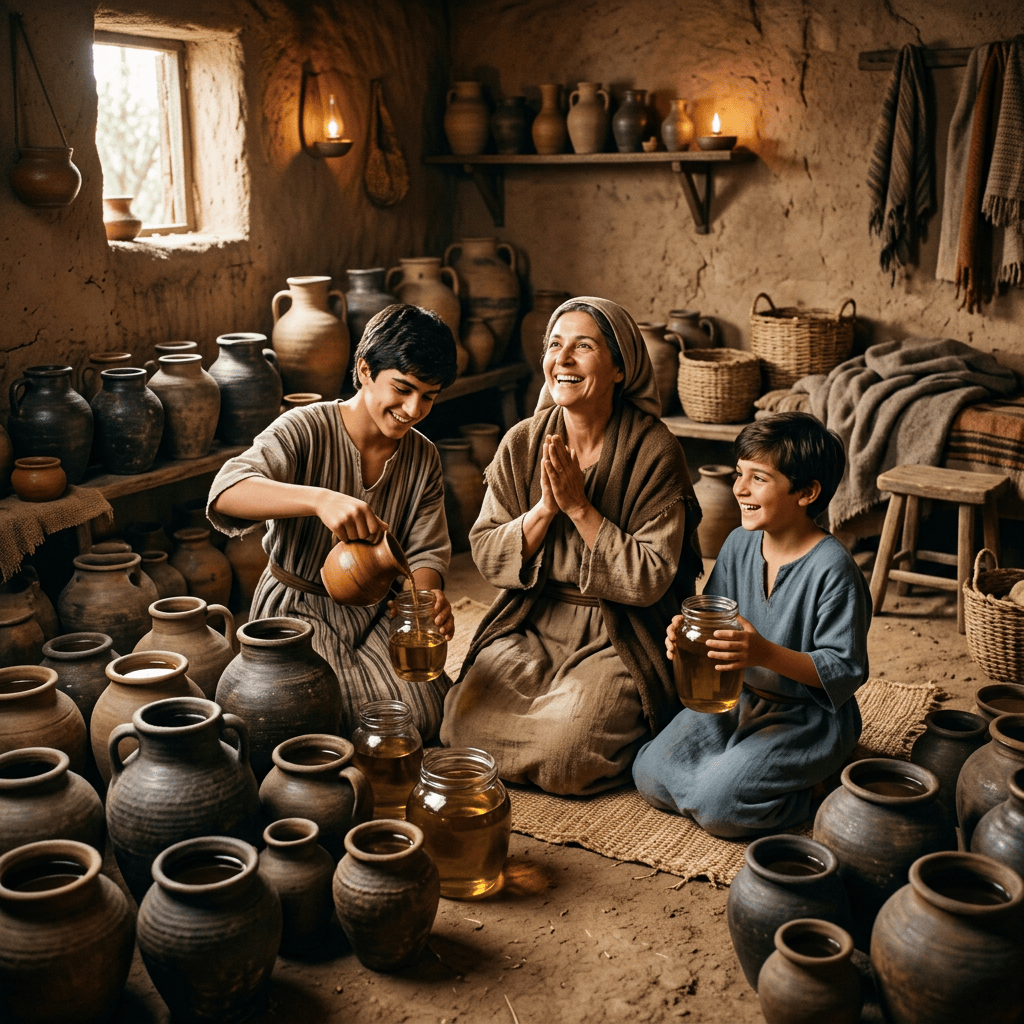
The theme for this reflection is “Showing Generosity.” Generosity means the willingness to give freely to others, sharing our resources, time, and care far beyond what is strictly required or expected. To show generosity is to put that inward disposition into open, tangible action so that someone else’s life is genuinely lifted. In Deuteronomy 15:12–18, God lays down striking commands regarding how His people must treat those who served them in hard times. The passage reveals three foundational lessons about true generosity: first, it must be practical and substantial, releasing others into dignity rather than mere survival; second, it must be rooted in sincere gratitude for God’s own redemption and mercy; and third, it must be offered gladly from the heart, free from bitterness or regret.
To understand these commands, we must consider the historical setting of Deuteronomy. The Israelites were camped on the plains of Moab, on the verge of entering the Promised Land. Through Moses, God was shaping an entirely new culture—one distinct from the oppressive, self-serving nations around them. In the ancient world, poverty often forced destitute individuals to sell themselves into indentured servitude to settle debts. However, God reminded Israel that debt and servitude were never meant to be permanent curses. Every seventh year was designated as a Sabbatical year of release, establishing a regular rhythm of mercy and economic restoration across the community.
The first lesson from this passage is that genuine generosity equips others to flourish. God specifically instructs in Deuteronomy 15:13–14: “And when you release them, do not send them away empty-handed. Supply them liberally from your flock, your threshing floor and your winepress. Give to them as the Lord your God has blessed you.” God did not permit a master simply to unlock the door and push a freed servant out into poverty. True freedom without resources is merely another form of destitution. A released servant with empty hands would soon fall back into debt and servitude. Therefore, generosity meant providing sheep, grain, and wine—the essential foundations for building a sustainable livelihood. In practical terms today, this means our giving should seek lasting restoration rather than superficial relief. It looks like mentoring someone into stable employment, paying for vocational training, or helping a struggling family buy the tools or transport they need to earn a living. As the Apostle John asks in 1 John 3:17–18, “If anyone has material possessions and sees a brother or sister in need but has no pity on them, how can the love of God be in that person? Dear children, let us not love with words or speech but with actions and in truth.” Generosity does not send people away empty-handed; it invests in their future.
The second lesson is that our generosity must flow from remembering God’s personal deliverance in our own lives. In Deuteronomy 15:15, God provides the ultimate motive: “Remember that you were slaves in Egypt and the Lord your God redeemed you. That is why I give you this command today.” Israel had no claim to self-made wealth. They had once been powerless slaves in Egypt until God graciously set them free with an outstretched hand. Remembering their humble origins was the antidote to pride and greed. When we recognise that everything we possess is a gift from God, our grip on our possessions loosens. We are not generous out of legalistic duty, but out of a grateful response to the grace we have received. As the Apostle Paul reminds us in 2 Corinthians 8:9, “For you know the grace of our Lord Jesus Christ, that though he was rich, yet for your sake he became poor, so that you through his poverty might become rich.” In daily life, this memory keeps us tender-hearted toward those who are where we once were, encouraging us to open our doors and bank accounts to help the vulnerable.
The third lesson is that generosity requires a joyful attitude, guarded by God’s promise of provision. Human nature often hesitates to give because of fear and regret. God addresses this inner struggle directly in Deuteronomy 15:18: “Do not consider it a hardship to set your servant free, because their service to you these six years has been worth twice as much as that of a hired hand. And the Lord your God will bless you in everything you do.” Reluctance poisons charity. God calls us to give without a grudging spirit, trusting that He is our ultimate provider. When we give freely, we do not become poorer; we open our lives to His faithful care. This truth is echoed in 2 Corinthians 9:7: “Each of you should give what you have decided in your heart to give, not reluctantly or under compulsion, for God loves a cheerful giver.” When we share our resources joyfully—whether supporting a struggling neighbour, contributing quietly to a community food bank, or welcoming someone in distress—we demonstrate that we trust God’s promise to sustain us.
In summary, Deuteronomy 15:12–18 shows that generosity is far more than occasional charity. It is a deliberate lifestyle of providing substantial help to release others from burden, motivated by deep thanksgiving for God’s redemption, and practised with a willing and cheerful heart. Today, you are called to examine your own life and resources. Do not wait for a convenient season to be generous, and do not hold back when God brings a person in need across your path. Look around your community, identify someone who is struggling, and offer them practical, sacrificial support that truly lifts them up. Give freely, knowing that the God who redeemed you will continue to supply all your needs.
Prayer
Heavenly Father, You are the source of every good and perfect gift, and You have redeemed us by Your boundless grace. Forgive us for the times we have clung tightly to our possessions out of fear, pride, or selfishness. Soften our hearts today and fill us with sincere compassion for those around us who are hurting or weighed down by hardship. Grant us the courage to give liberally, cheerfully, and without regret, so that our lives may reflect Your loving-kindness. Teach us to remember where You brought us from, and help us to use all that You have entrusted to us to bless others and honour Your holy name. We ask this through Jesus Christ our Lord. Amen.




Leave a comment