

JEREMIAH 1:4-10
1 CORINTHIANS 13:1-13
LUKE 4:21-30
Ordained to be a prophet is the theme for our reflection. To ordain means to confer holy order on a person to perform a function in the church. It can also mean to anoint or consecrate a person for a specific church office or responsibility. A Prophet is a person appointed by God to speak His will to the people of God. In other words, a Prophet is the mouthpiece of God. It is important to note that in as much as there is the office of the prophet, the church universal represents the prophetic voice of God in the world. We shall be discussing three important points concerning the prophetic role of the church:
- No one ordains himself or herself a prophet, it is a calling and ordination from God
- For the prophetic voice of the church to be effective love must lead.
- No matter how the prophetic voice is rejected, it shall remain useful to others.
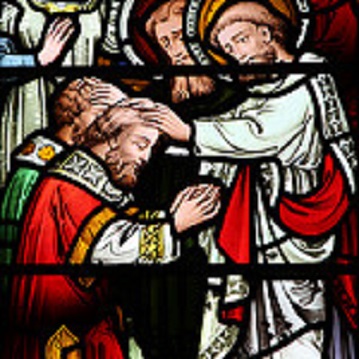
Firstly, the appointment and ordination of a prophet is the prerogative of God, no one ordains himself or herself a prophet, it is for this reason God said to Jeremiah “Before I formed you in the womb I knew you before you were born, I set you apart; I appointed you as a prophet to the nations.” (Jeremiah 1:5). What was Jeremiah’s Prophetic role? “You must go to everyone I send you to and say whatever I command you. Do not be afraid of them, for I am with you and will rescue you,” declares the LORD. Then the LORD reached out his hand and touched my mouth and said to me, “I have put my words in your mouth.” (Jeremiah 1:7-9). In others words, a prophet is appointed by God to deliver exactly God’s message to whoever he has been sent to. The church has also been ordained and consecrated through the blood of Jesus to be the prophetic voice of God in the World. All believers have a prophetic assignment of declaring God’s Message of salvation to the souls that are lost. We have the prophetic mandate to speak against corruption and all forms of evil deeds in our societies and nation as a whole. Prophetism is not only about predictions of doom nor is it about the description of people’s past, the colour of their underwear, the cars they drive or how much they earn which has become the practice of self-acclaimed prophets of our time. None of the Prophets and Apostles in the Bible engaged in a public display of predictions and competition to show who was a better prophet than the other. All those consecrated or ordained prophets had only one assignment, to speak the will and voice of God to God’s people concerning repentance, salvation and judgment.
Secondly, for the world to be transformed by the Word of God through the prophetic voice of the church love must lead in every aspect of our Christian lives. It is for this purpose Paul admonished the church of Corinth that “If I have the gift of prophecy and can fathom all mysteries and all knowledge, and if I have a faith that can move mountains, but does not have love, I am nothing. (1 Corinthians 13:2). The church and for that matter, Christians all over the world cannot be the prophetic voice of God in the world while love is absent in their fellowships and relationships with non-believers. Our actions must reflect God’s love then our prophetic voice as Christians will be impactful. God’s plans and purposes for humanity is seen in His love for humanity and this love is personified in Jesus Christ, therefore the messenger (Prophet) and the message (Prophetic voice) must be centred on love. The main role of the Prophets in the Bible is to declare God’s intention to His people and to show them the way to salvation. Prophetism is borne out of God’s love for humanity and His consistent desire to bring humanity onto the path of eternal life.
Thirdly, the recipient of the prophetic voice or message of God may reject the prophet. We are to continue proclaiming God’s message to the world and not be discouraged by its rejection by those who are family members and friends. Jesus himself faced this challenge, He said to His people, “Truly I tell you,” he continued, “no prophet is accepted in his hometown. I assure you that there were many widows in Israel in Elijah’s time when the sky was shut for three and a half years and there was a severe famine throughout the land. Yet Elijah was not sent to any of them, but to a widow in Zarephath in the region of Sidon. And there were many in Israel with leprosy in the time of Elisha the prophet, yet not one of them was cleansed—only Naaman the Syrian.” Luke 4:24-27. In other words, if the people who ought to be the first beneficiaries of God’s prophetic voice and grace reject it, others who were not originally part of the covenant relationship will be beneficiaries of God’s grace through the prophetic voice of the Church. It is for this reason, the church must not relent in the spread of the Gospel for there are many souls out there who yearn to hear God’s message through the prophetic and evangelist voice of the church.
In conclusion, God ordains prophets and the church of Christ carries the prophetic voice in our time, The prophetic voice of God must be proclaimed and centred on love to be effective and transformational in the world, last but not the least, let us not be discouraged when we are rejected, let us continue to be the prophetic voice of God in the wilderness where there are many lost souls to be saved. May the Holy Spirit empower us to continue proclaiming the prophetic voice of love and salvation in our generation so that many will have a personal relationship with Christ and be saved. Amen,
Ewe Version (Audio)
Jean-Paul Agidi(Rev)




 NO BIBLE NO BREAKFAST DAILY BIBLE REFLECTIONS AND MORE
Leave a comment