
REFLECTION
The theme for today’s reflection is “The REDEEMER’S COVENANT”, based on the account in Ruth 4:7-12. To understand this theme, we must look at two powerful words: Redeemer and Covenant. A “Redeemer” is someone who steps in to recover what was lost, pays a debt, or rescues a relative from distress. A “Covenant” is a solemn, binding agreement that establishes a lasting relationship and carries specific responsibilities.
The main lesson of this passage is that redemption is not just a financial transaction; it is a selfless act of love that restores dignity and secures a future for the broken. The Scripture presents Boaz as a man of integrity who fulfils the legal and moral requirements to bring Ruth and Naomi back into the community’s blessing.
The Act of Redemption and Cultural Roots
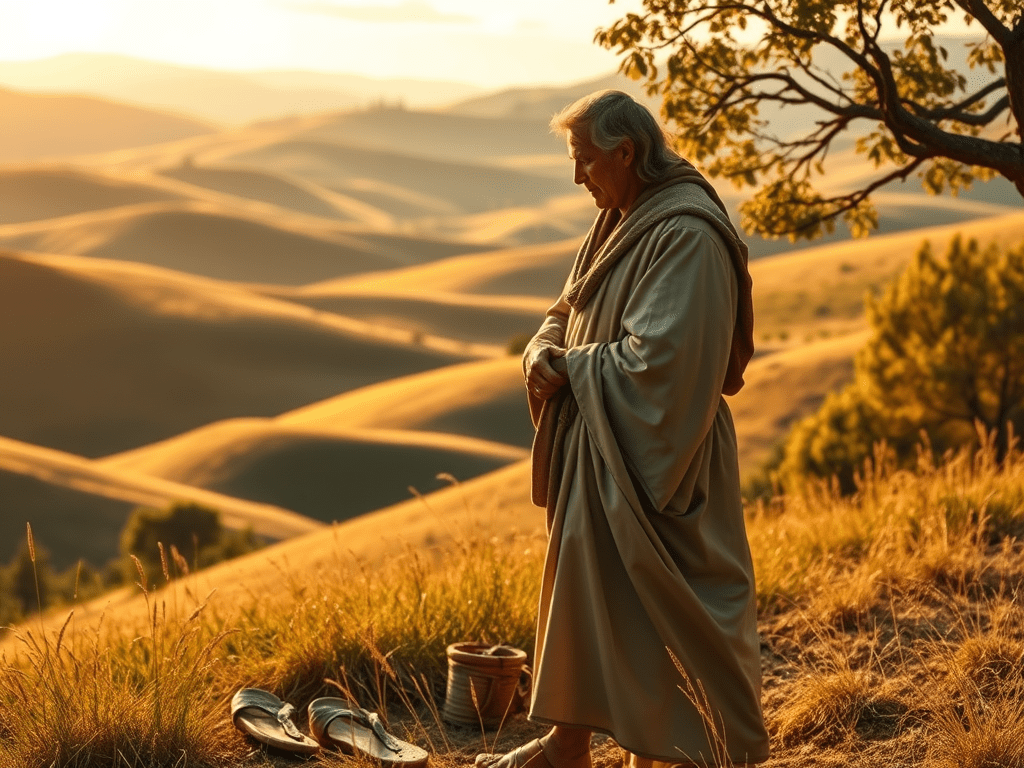
In Ruth 4:7, we see a unique cultural custom: “Now in earlier times in Israel, for the redemption and transfer of property to become final, one party took off his sandal and gave it to the other. This was the method of legalising transactions in Israel.” This gesture was a public sign that the nearer kinsman was waiving his right to the land and the responsibility to Ruth. By accepting the sandal, Boaz took on the “Redeemer’s Covenant.”
Boaz’s actions teach us about sacrificial commitment. While the anonymous “guardian-redeemer” feared that marrying Ruth might endanger his own estate, Boaz looked past the cost. He declared to the elders, “Today you are witnesses that I have bought from Naomi all the property of Elimelech, Kilion and Mahlon. I have also acquired Ruth the Moabite, Mahlon’s widow, as my wife…” (Ruth 4:9-10).
In our modern lives, this reflects the importance of keeping our word, even when it comes at a cost. For example, a Christian today might “redeem” a situation by forgiving a debt or supporting a struggling family member, mirroring the spirit of Galatians 6:2: “Carry each other’s burdens, and in this way you will fulfil the law of Christ.”
Characters and Ancestry
The names in this story carry deep weight. Boaz means “in him is strength,” and he lived up to it by being a pillar of strength for two destitute widows. The elders’ blessing in verse 11 mentions Rachel and Leah, the mothers of the nation of Israel. By linking Ruth to them, the community was fully accepting a foreigner into the lineage of God’s people.+1
The mention of Ephrathah (another name for Bethlehem) and Perez, whom Tamar bore to Judah, is significant. Tamar, like Ruth, was a woman who found herself in a desperate situation regarding family lines but was redeemed through a kinsman. “Through the offspring the Lord gives you by this young woman, may your family be like that of Perez, whom Tamar bore to Judah” (Ruth 4:12). This link shows that God often uses unconventional paths and courageous people to build His kingdom.
Significance to Christ and Christians
This covenant is a “type” or a shadow of Jesus Christ. Just as Boaz was a “Kinsman-Redeemer” who had the right, the resources, and the will to save Ruth, Jesus is our ultimate Redeemer. He became our “kinsman” by taking on human flesh.
As Christians, we recognise that we were like Ruth—outsiders with no claim to the inheritance. But through the New Covenant, Christ bought us back. “In him we have redemption through his blood, the forgiveness of sins, in accordance with the riches of God’s grace” (Ephesians 1:7). The story of Boaz assures us that God is interested in redeeming every area of our lives: our past, our poverty, and our purpose.
Conclusion
The Redeemer’s Covenant teaches us that God’s grace reaches those on the margins. It highlights the beauty of legal integrity, the power of selfless love, and the way God weaves human lives into His grand plan of salvation. Boaz didn’t just buy land; he restored a family and became part of the lineage of the Messiah.
Call to Action: This week, identify someone in your “circle” who is struggling or feels like an outsider. Seek a way to be a “Boaz” to them—not just with words, but with a practical act of “redemption” that restores their hope.
Prayer
Heavenly Father, we thank You for being our Great Redeemer. Thank You for the example of Boaz, who showed us that integrity and kindness can change the course of history. We pray for the strength to keep our covenants and the heart to care for those in need. May we live in the freedom that Your redemption has provided. Amen.





 NO BIBLE NO BREAKFAST DAILY BIBLE REFLECTIONS AND MORE
Leave a reply to Jean-Paul Agidi Cancel reply