
REFLECTION
Prejudice is a word we often hear, but we do not always stop to consider where it comes from. Simply put, prejudice is making a judgement about a person or a group of people before we actually know them. Often, this judgement is unfair and negative. When we link this to the word ‘fear’, we find a dangerous combination. Fear is the feeling of being afraid, usually because we think something bad might happen to us.
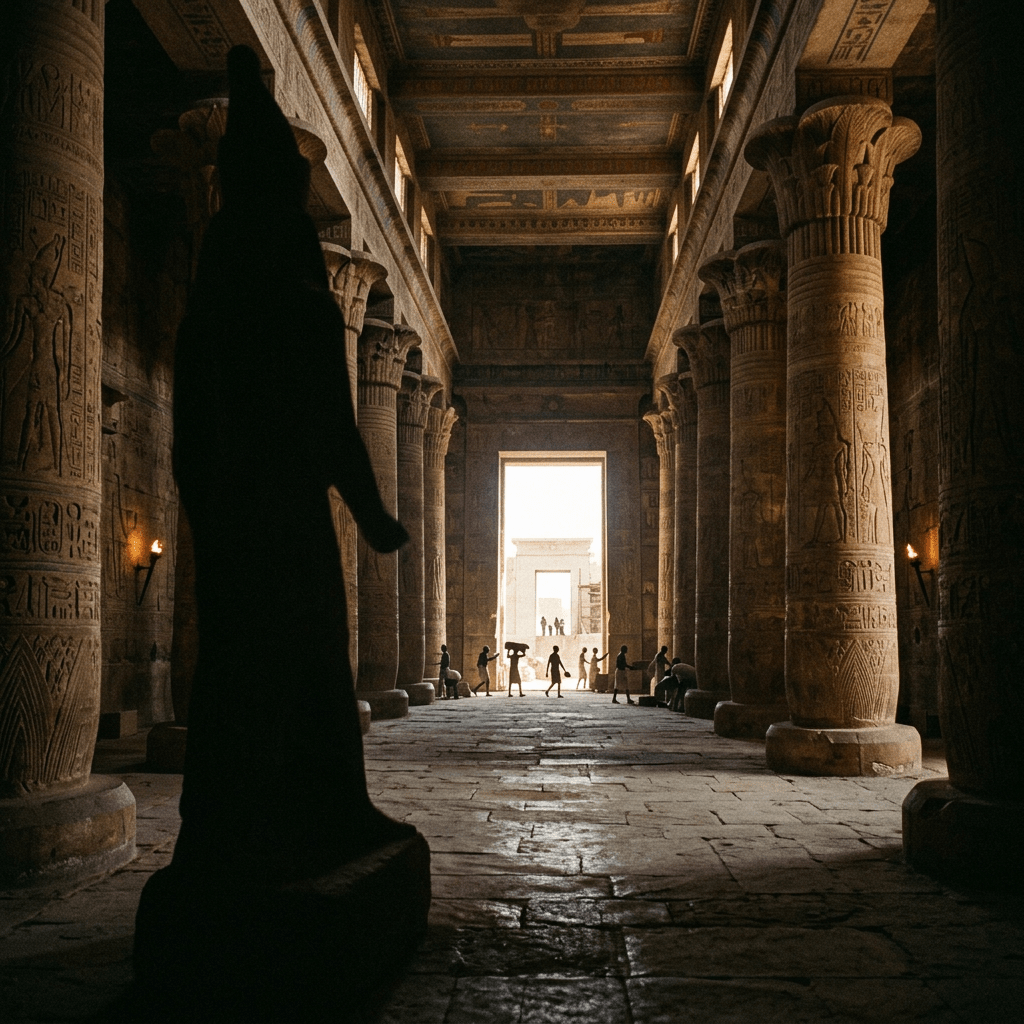
In the book of Exodus, we see a clear example of how fear can turn into hatred and unfair treatment. After the death of Joseph, a man who had helped Egypt, a new king came to power. This new Pharaoh did not know Joseph or the great work he had done. When he looked at the Israelites living in his land, he did not see neighbours or contributors to society; he saw a threat. The lesson we learn from this passage is that when we allow fear to control our thoughts, we lose our ability to treat others with fairness and love.
The Trap of Imaginary Fears
The Bible tells us about Pharaoh’s reaction to the growing number of Israelites: “‘Look,’ he said to his people, ‘the Israelites have become far too numerous for us. Come, we must deal shrewdly with them, or they will become even more numerous and, if war breaks out, will join our enemies, fight against us and leave the country.’” (Exodus 1:9-10, NIV).
Pharaoh was not reacting to something the Israelites had actually done. Instead, he was reacting to his own imagination. He was afraid of a future that had not happened yet. This is exactly how prejudice works in our lives today. We often look at people from different backgrounds, cultures, or beliefs and assume they want to hurt us or take something away from us, even when they have done nothing of the sort. Fear clouds our judgement. It makes us see enemies where there are actually friends or, at the very least, fellow human beings.
The Cycle of Cruelty
Because of this fear, Pharaoh felt he had to act. “So they put slave masters over them to oppress them with forced labour, and they built Pithom and Rameses as store cities for Pharaoh.” (Exodus 1:11, NIV).
Pharaoh’s fear led directly to the oppression of others. This is a painful truth: when we are afraid, we often try to control or hurt others to make ourselves feel safe. However, this never works. As the Bible reminds us, “There is no fear in love. But perfect love drives out fear…” (1 John 4:18, NIV). When we operate out of fear, we fail to love our neighbour. Instead of building community, we build walls. We must realise that whenever we exclude, look down upon, or treat someone unfairly because of who they are, we are following the path of Pharaoh, not the path of God.
A Futile Effort
The most interesting part of this story is that Pharaoh’s prejudice did not actually stop the Israelites from growing. “But the more they were oppressed, the more they multiplied and spread; so the Egyptians came to dread the Israelites.” (Exodus 1:12, NIV).
Pharaoh tried to use power and cruelty to stop God’s blessing, but he failed. His prejudice did not make his country safer; it only made him more miserable and full of dread. This teaches us that prejudice is futile. It is a waste of energy that goes against God’s design for human dignity. When we hold onto prejudices, we are often fighting against the reality that all people are created in the image of God.
Conclusion
In summary, prejudice based upon fear is a destructive force that hurts both the person being judged and the person doing the judging. Pharaoh’s story shows us that fear causes us to create “us versus them” situations, which lead to oppression and unhappiness.
I encourage you today to challenge your own fears. When you feel a negative thought about someone different from you, stop and ask yourself: “Am I reacting to a fact, or am I reacting to a fear?” Choose to move towards others with curiosity instead of suspicion. Let us commit to building bridges of understanding rather than walls of fear.
A Prayer for Understanding
Heavenly Father, thank You for creating every person in Your image. Please forgive us for the times we have allowed fear to turn into prejudice. We recognise that fear blinds us to the good in others and stops us from loving our neighbours as You commanded. Please wash away our anxieties and replace them with Your perfect love, which casts out all fear. Open our hearts to be kind, welcoming, and fair to everyone we meet. Help us to see others through Your eyes. In Jesus’ name, Amen.






Leave a Reply