
REFLECTION
The theme of our reflection is “Thomas Doubts the Resurrection,” based on the Gospel of John 20:24-29. In this context, “doubt” refers to a feeling of uncertainty or a lack of conviction, while “resurrection” is the monumental event of Jesus Christ rising from the dead after His crucifixion. The central lesson of this passage is that while seeing can lead to believing, there is a special blessing for those who choose to trust in God’s Word without requiring physical proof.
Before this event, the disciples were in a state of fear and confusion. Jesus had already appeared to most of them, but Thomas, one of the Twelve, was not present. When the others told him they had seen the Lord, he famously refused to believe it unless he could touch the wounds of Jesus himself.
The Struggle of Faith and the Mercy of Christ
One of the primary lessons we learn from this passage is that God is patient with our honest questions. Thomas was not trying to be rebellious; he was simply struggling to process a miracle that seemed impossible. He said, “Unless I see the nail marks in his hands and put my finger where the nails were, and put my hand into his side, I will not believe” (John 20:25). Many of us today act like Thomas. We find it hard to believe God will provide or heal until we see the bank balance change or the medical report clear up.
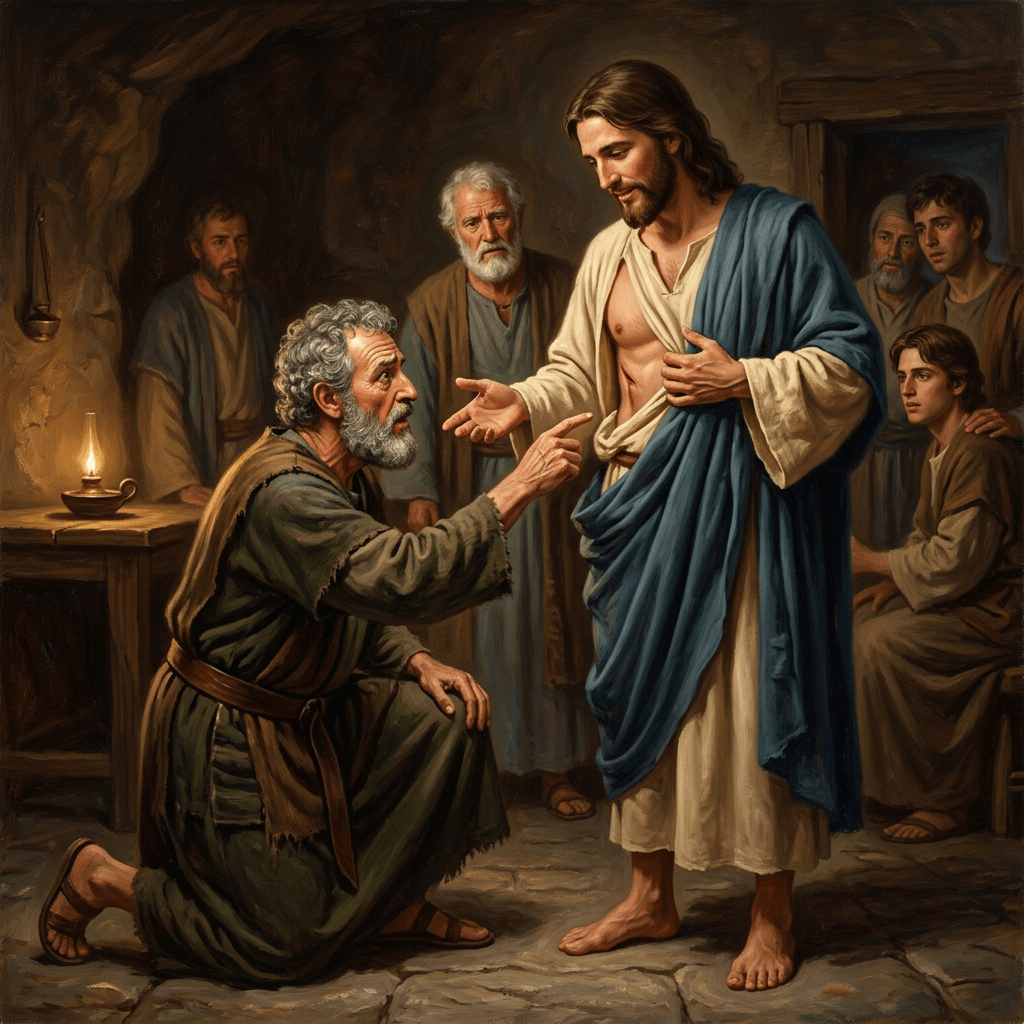
However, Jesus did not cast Thomas away for his uncertainty. A week later, Jesus appeared again specifically to meet Thomas in his doubt. He invited him, “Put your finger here; see my hands. Reach out your hand and put it into my side. Stop doubting and believe” (John 20:27). This shows us that Jesus meets us exactly where we are. When we have a “doubting Thomas” moment, we should not hide from God. Instead, we should bring our honest hearts to Him, knowing He is ready to reveal Himself to us.
Another vital lesson is the shift from physical sight to spiritual faith. After Thomas touched Jesus and cried out, “My Lord and my God!” (John 20:28), Jesus gave us a promise that extends to everyone living today. He told him, “Because you have seen me, you have believed; blessed are those who have not seen and yet have believed” (John 20:29).
In our daily lives, this means we must rely on the promises of Scripture rather than just our physical senses. For example, when we feel alone, we must trust the promise in Hebrews 13:5, where God says, “Never will I leave you; never will I forsake you.” We may not “see” Him standing in the room, but we are called to believe His Word is truer than our feelings.
Conclusion
In summary, the story of Thomas teaches us that doubt does not have to be the end of faith; it can be a turning point that leads to a deeper encounter with Christ. Jesus shows us that He is patient with our weaknesses, but He ultimately calls us to a higher level of faith—one that does not depend on physical signs.
I encourage you today to surrender your “what ifs” and your “unless” conditions to the Lord. Do not wait for a sign to start trusting Him. Choose to believe that He is risen and active in your life right now. Let us move from a place of questioning to a place of confession, declaring like Thomas: “My Lord and my God!”
Prayer
Heavenly Father, we thank You for Your patience and Your great mercy. We confess that sometimes our hearts are slow to believe Your promises when life is difficult. Please forgive us for the times we have demanded signs instead of trusting Your Word.
Lord, increase our faith. Help us to be among those who are “blessed” because we believe without seeing. May Your Holy Spirit strengthen our hearts to trust Your presence and Your power every day. We declare today that Jesus is alive and is the Lord of our lives.
In the name of Jesus Christ, we pray,
Amen.




Leave a Reply