
REFLECTION
The theme for this reflection is “LIVING IT OUT”. To live something out means to put our core beliefs, values, and promises into practical, everyday action. It is not just about speaking the right words, but about demonstrating our faith through active obedience, even when it demands a heavy personal cost. As we look at Hosea 3:1-5, the key lesson relating to this theme is that true love and faith require active commitment, restoration, and obedience.
To fully understand this text, we must look at its historical background. God called the prophet Hosea to preach to the northern kingdom of Israel during a dark time of economic wealth but deep spiritual decay. The people had turned away from God to worship Baal, a pagan god of fertility. To show Israel how much their unfaithfulness hurt Him, God commanded Hosea to marry a woman named Gomer, who would prove unfaithful to him. In chapter three, Gomer has completely abandoned Hosea and fallen into slavery. It is against this tragic background that God commands His prophet to live out a love that rescues and restores.
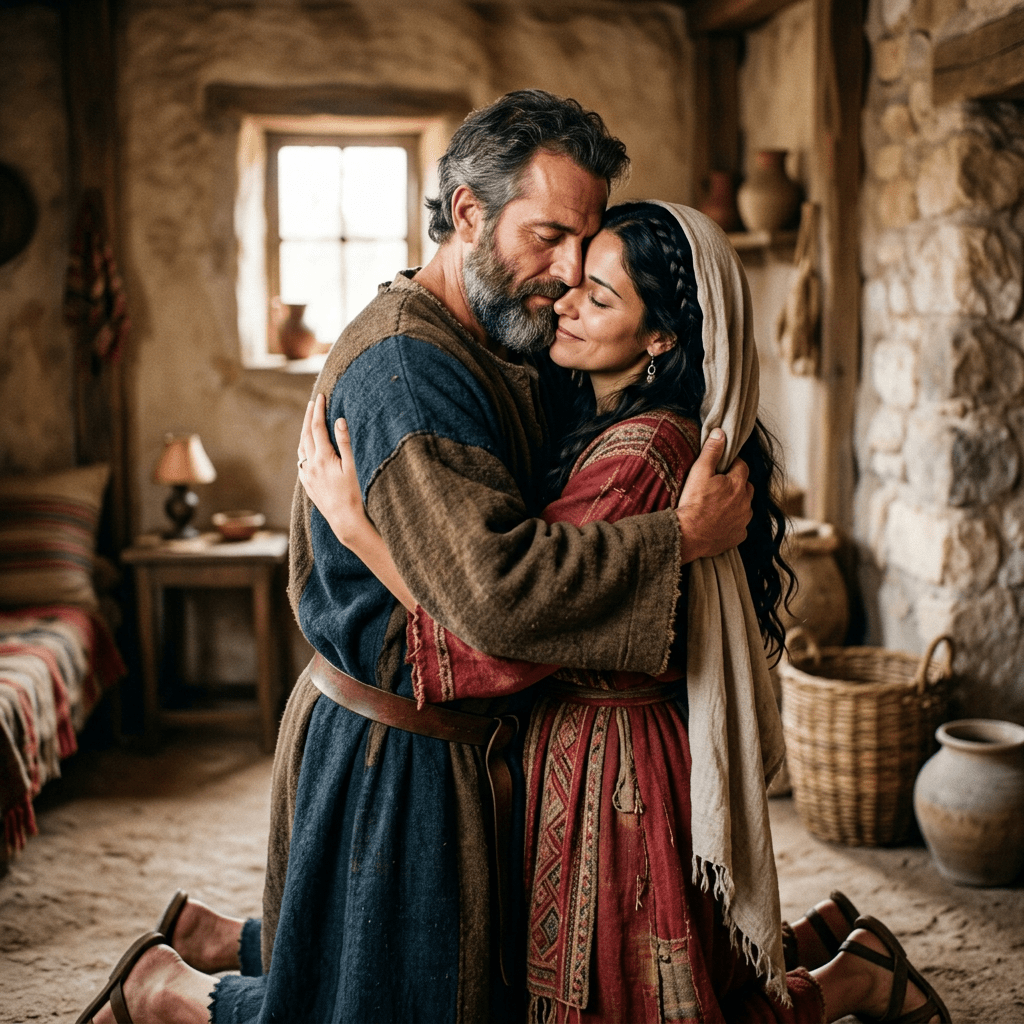
The first great lesson we learn about living out our faith is that we must show unconditional love and forgiveness, even when it hurts. In Hosea 3:1, the Lord commands: “Go, show your love to your wife again, though she is loved by another man and is an adulteress. Love her as the Lord loves the Israelites, though they turn to other gods and love the sacred raisin cakes.” Hosea did not just preach about God’s love; he had to live it out in the most painful way possible. He had to go to the market and physically buy his unfaithful wife back from the slave block. Hosea 3:2 records his direct obedience: “So I bought her for fifteen shekels of silver and about a homer and a lethek of barley.”
Living out God’s love means taking action to mend what is broken. For example, when someone wrongs us in our families or workplaces, our natural reaction is to walk away or seek revenge. However, living it out means choosing the path of reconciliation. It means forgiving those who do not deserve it, just as Christ forgave us. As Ephesians 4:32 reminds us, “Be kind and compassionate to one another, forgiving each other, just as in Christ God forgave you.”
The second lesson from this passage is that living out our faith requires discipline, boundaries, and personal holiness. After buying Gomer back, Hosea tells her in Hosea 3:3: “You are to live with me many days; you must not be a prostitute or be intimate with any man, and I will behave the same way toward you.” Love does not mean letting people continue in destructive ways. Hosea set boundaries to help Gomer heal and return to true faithfulness. This mirrors how God deals with His people. Hosea 3:4 explains that Israel would go “many days without king or prince, without sacrifice or sacred stones…” This was a time of discipline to strip away their idols.
In our daily lives, living it out means we must willingly accept God’s discipline and distance ourselves from sin. If we claim to love God, we must live lives that honour Him. This requires us to lay down bad habits, toxic relationships, or dishonest practices. We cannot say we love God while continuing to live like the world. We are called to live purely, as 1 Peter 1:15 states: “But just as he who called you is holy, so be holy in all you do.”
Finally, living it out leads to a beautiful destination: complete restoration and a renewed desire to seek God. Hosea 3:5 gives us this powerful promise: “Afterwards the Israelites will return and seek the Lord their God and David their king. They will come trembling to the Lord and to his blessings in the last days.” When we choose to live out our faith through obedience and repentance, it draws us closer to the goodness of God.
Conclusion
In summary, Hosea 3:1-5 shows us that living out our faith is an active, costly journey. It requires us to show unconditional love to others, to maintain holy boundaries through self-discipline, and to return to God with a sincere heart. Hosea could have refused God’s command, but he chose to obey, providing a living picture of God’s amazing grace.
Now, the call to action comes to each of us. Faith is not a passive emotion; it is a lifestyle. I challenge you today to look into your own life. Is there a relationship where you need to live out unconditional love and forgiveness? Is there an area where you need to set holy boundaries and turn away from things that grieve God? Do not just listen to the Word of God—choose to live it out today in your speech, your choices, and your relationships. Let your life be a living testimony of the relentless love of God.
Prayer
Dear Heavenly Father, thank You for Your deep, unconditional love that rescued me when I was lost in sin. Lord, help me to live out this faith every single day. Give me the strength to forgive those who hurt me, the courage to live a holy life, and a heart that seeks after You above all else. May my actions reflect Your grace and truth to the world around me. In Jesus’ name, I pray. Amen.





Leave a Reply