
SUNDAY REFLECTION
THEME: THE WAY TO THE CROSS: FROM SELF TO THE SACRIFICE SCRIPTURE READINGS: EXODUS 3:1–15, ROMANS 12:9–21, MATTHEW 16:21–28
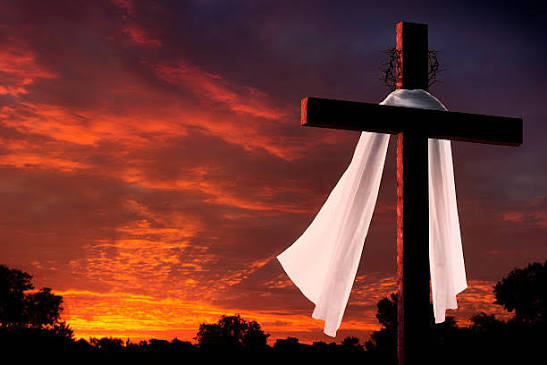
The Christian life is fundamentally a journey of spiritual transformation—a transition from a life centered on personal ambition to one surrendered to divine purpose. To understand this calling, we must examine the core keywords of our theme. “The Way” refers to the path of obedient discipleship modeled by Jesus Christ. “The Cross” represents the ultimate instrument of death to sin, redemptive suffering, and total submission to God’s will. “Self” denotes the fallen human ego, self-preservation, and carnal desires that prioritize personal comfort over God’s agenda. Finally, “Sacrifice” means voluntarily yielding one’s rights, desires, and life for the glory of God and the benefit of others.
The journey from self to sacrifice is not an easy one; it requires a deliberate dismantling of human pride so that divine grace can reign. Through our Scripture readings, this reflection outlines three vital movements along this path:
- Relinquishing Self-Reliance for Divine Sufficiency (Exodus 3:1–15)
- Embracing Daily Self-Denial over Self-Preservation (Matthew 16:21–28)
- Translating Sacrifice into Active Love and Service (Romans 12:9–21)
Relinquishing Self-Reliance for Divine Sufficiency
The first step on the way to the cross is the death of human self-reliance. Often, “self” manifests not only in arrogance but also in false humility and fear, where we measure God’s call by our own limited abilities. In Exodus 3:11, when God called Moses from the burning bush to liberate Israel from Egyptian bondage, Moses looked inward and objected: “Who am I that I should go to Pharaoh and bring the Israelites out of Egypt?” Moses was fixated on his own inadequacy, his past failures as a fugitive, and his human limitations.
God shifted Moses’ gaze away from “self” to divine sufficiency: “I will be with you… God said to Moses, ‘I AM WHO I AM. This is what you are to say to the Israelites: “I AM has sent me to you”’” (Exodus 3:12, 14). Moving to the place of sacrifice requires that we stop asking “Who am I?” and begin trusting “Who God is.”
Practical Example: In modern life, we see this when believers hesitate to take up leadership in the church, stand against corruption in their workplace, or offer forgiveness in broken families because they feel ill-equipped or vulnerable. The way of the cross demands that we abandon self-doubt and personal excuses, stepping out in faith because the great “I AM” goes with us.
Embracing Daily Self-Denial over Self-Preservation
The way to the cross requires confronting our instinct for self-preservation. In Matthew 16:21, Jesus revealed to His disciples that He had to go to Jerusalem, suffer many things, be killed, and on the third day be raised to life. Peter, driven by human affection and the desire to avoid suffering, rebuked Him: “Never, Lord! This shall never happen to you!” (Matthew 16:22). Jesus recognized the voice of the enemy attempting to derail the redemptive mission, declaring: “Get behind me, Satan! You are a stumbling block to me; you do not have in mind the concerns of God, but merely human concerns” (Matthew 16:23).
Jesus then laid down the universal requirement for following Him: “Whoever wants to be my disciple must deny themselves and take up their cross and follow me. For whoever wants to save their life will lose it, but whoever loses their life for me will find it” (Matthew 16:24–25). Denying oneself is not self-hatred; it is dethroning the “I” so that Christ sits on the throne of our lives.
Practical Example: Taking up our cross today means choosing integrity when a lie would protect a promotion, remaining faithful in marriage when emotions fade, or dedicating personal resources to kingdom work rather than selfish indulgence. It means choosing God’s purpose even when it involves hardship, rejection, or loss of worldly acclaim.
Translating Sacrifice into Active Love and Service
True sacrifice is not merely a private, inward conviction; it must be expressed through practical, outward actions toward others. The Apostle Paul outlines what a living sacrifice looks like in our daily relationships: “Love must be sincere. Hate what is evil; cling to what is good. Be devoted to one one another in love. Honor one another above yourselves. Never be lacking in zeal, but keep your spiritual fervor, serving the Lord” (Romans 12:9–11).
The ultimate test of moving from self to sacrifice is how we treat those who oppose us. Paul writes: “Do not repay anyone evil for evil… If your enemy is hungry, feed him; if he is thirsty, give him something to drink. In doing this, you will heap burning coals on his head. Do not be overcome by evil, but overcome evil with good” (Romans 12:17, 20–21). Self demands retaliation and vengeance; sacrifice chooses forgiveness, mercy, and restorative love.
Practical Example: When a colleague spreads rumors about you at work, the way of the flesh retaliates with slander. The way of the cross, however, responds by refusing to gossip, offering help when that same colleague is in need, and overcoming malice with genuine kindness.
Conclusion
The way to the cross is an intentional departure from the kingdom of self into the kingdom of God. As revealed through Moses, it requires surrendering our excuses to God’s sovereign sufficiency. As demonstrated by Christ, it calls for denying self-preservation to fulfill divine destiny. And as taught by Paul, it manifests in genuine love, humility, and overcoming evil with good. We cannot wear the crown of resurrection glory without first walking the path of the cross.
Call to Action
- Examine Your Motivations: Identify areas in your life where self-interest, fear, or comfort is hindering your obedience to God’s mission.
- Embrace Daily Crucifixion: Surrender your personal ambitions, grudges, and excuses to the Lord each morning, asking for the grace to pick up your cross.
- Practice Radical Love: Reach out this week to someone who has offended or opposed you, offering an act of kindness or reconciliation in the spirit of Romans 12:21.
Prayer
Heavenly Father, Almighty God, the Great ‘I AM,’ we thank You for the gift of Your Son, Jesus Christ, who walked the way of the cross to redeem our souls.
Forgive us for the many times we have chosen self-preservation over divine purpose, and human comfort over faithful obedience. Deliver us from the mindset of self-reliance, fear, and pride. By Your Holy Spirit, grant us the courage to deny ourselves daily, take up our cross, and follow in the footsteps of Christ.
Fill our hearts with sincere love that honors others above ourselves and overcomes evil with good. May our lives be living sacrifices, holy and pleasing unto You, until we behold Your glory. In Jesus’ mighty and matchless name, we pray.
Amen.




Leave a comment