
REFLECTION
The theme “It’s What We Do with What We Have That Counts” calls us to examine our daily lives, our responsibilities, and how we handle the gifts entrusted to us. In this context, “It’s what we have” refers to everything God has placed in our care—our time, natural abilities, material resources, spiritual gifts, and opportunities. “What we do” speaks of our conscious choices, actions, and diligence. The phrase “that counts” highlights eternal value, reminding us that significance in the eyes of God is not measured by the sheer volume of our possessions, but by our faithfulness in putting them to work. In Matthew 25:14–30, Jesus presents the Parable of the Talents. Set just before His passion, this teaching forms part of the Olivet Discourse, where Christ urges His followers to remain watchful and ready for His return. Through this parable, we learn that God distributes resources according to our ability, expects diligent stewardship rather than fearful stagnation, and will hold every individual accountable for how they used what was placed in their hands.
The first vital lesson from this passage is that God gives to each person purposefully and fairly. In Matthew 25:15, the master distributed his wealth: “To one he gave five bags of gold, to another two bags, and to another one bag, each according to his ability.” God does not expect the same output from everyone, nor does He distribute identical resources. Instead, He gives us what matches our unique capacity. In practical terms, one person may possess the resources to finance community projects, while another may have the gift of encouraging a lonely neighbour or teaching children with patience. The danger arises when we compare ourselves with others and become resentful. The Apostle Paul reinforces this principle in Romans 12:6, stating, “We have different gifts, according to the grace given to each of us.” Faithfulness begins when we stop looking at what someone else holds and focus on what God has placed in our own hands.
The second lesson is that active diligence brings divine honour, whereas passive excuses bring loss. The servants who received five and two talents went to work immediately and doubled what they were given. When the master returned, he spoke the exact same words of commendation to both: “Well done, good and faithful servant! You have been faithful with a few things; I will put you in charge of many things. Come and share your master’s happiness!” (Matthew 25:21, 23). The master did not praise them for the starting amount; he rewarded their willingness to take constructive action. In daily life, this means using our skills to serve our families, churches, and neighbourhoods without waiting for ideal circumstances. If you have the ability to listen, offer a listening ear. If you have a trade or profession, practise it with integrity and generosity. As Colossians 3:23 reminds us, “Whatever you do, work at it with all your heart, as working for the Lord, not for human masters.”
Conversely, the third servant allowed fear and a distorted view of his master to paralyse him. He declared in Matthew 25:25, “So I was afraid and went out and hid your gold in the ground. See, here is what belongs to you.” Fear produces passivity, and passivity in the kingdom of God is regarded as unfaithfulness. The master called him a “wicked, lazy servant” (Matthew 25:26). It was not that the servant lost the money through a bad investment; he simply did nothing with it. Doing nothing with God’s gifts is itself a serious failure of stewardship. James cautions us in James 4:17, “If anyone, then, knows the good they ought to do and doesn’t do it, it is sin for them.” When we bury our gifts out of timidity, pride, or fear of failure, we deprive others of blessing and dishonour the One who endowed us.
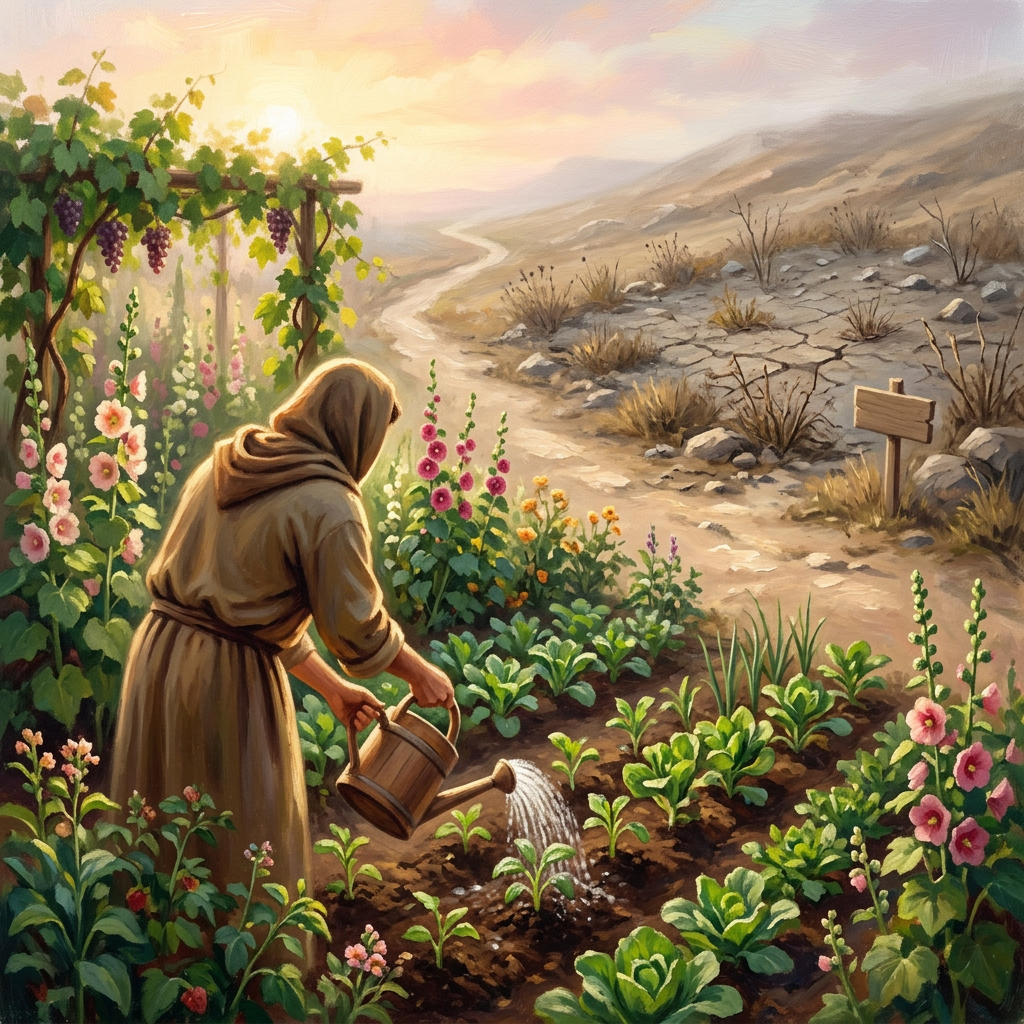
To count in God’s kingdom is not a matter of how much we start with, but how faithfully we invest our lives. The Parable of the Talents teaches us that God entrusts us with real resources, expects active and courageous obedience, and will reward our diligence with greater responsibility and joy. Therefore, let us not bury our talents beneath the soil of hesitation, self-doubt, or comparison. Look around your home, your workplace, and your local community today. Identify the single talent, the quiet ability, or the spare hour you have taken for granted, and put it to work for the good of others and the glory of God.
Prayer
Heavenly Father, You are the source of every good and perfect gift. Forgive me for the times I have compared my portion to others or buried my abilities out of fear and laziness. Open my eyes to see the opportunities and resources You have placed in my care. Grant me the courage, wisdom, and diligence to put them to good use every day. May my life bring blessing to those around me and honour to Your holy name, so that on the final day I may hear Your joyful welcome: “Well done, good and faithful servant.” Through Jesus Christ our Lord. Amen.




Leave a Reply