
REFLECTION
The theme “Careful What You Boast About” serves as a vital reminder to check our hearts and the words we speak regarding our future. To boast means to speak with excessive pride or self-satisfaction about one’s achievements, possessions, or abilities. In the context of James 4:13-17, boasting refers to the arrogant assumption that we are in total control of our lives and our tomorrow. The key lesson in this Scripture is that human life is fragile and dependent on God’s will; therefore, planning without acknowledging Him is not just foolish, but sinful. St James wrote this letter to early Christians to guide them in practical holy living, correcting those who had become too focused on worldly success and self-reliance.
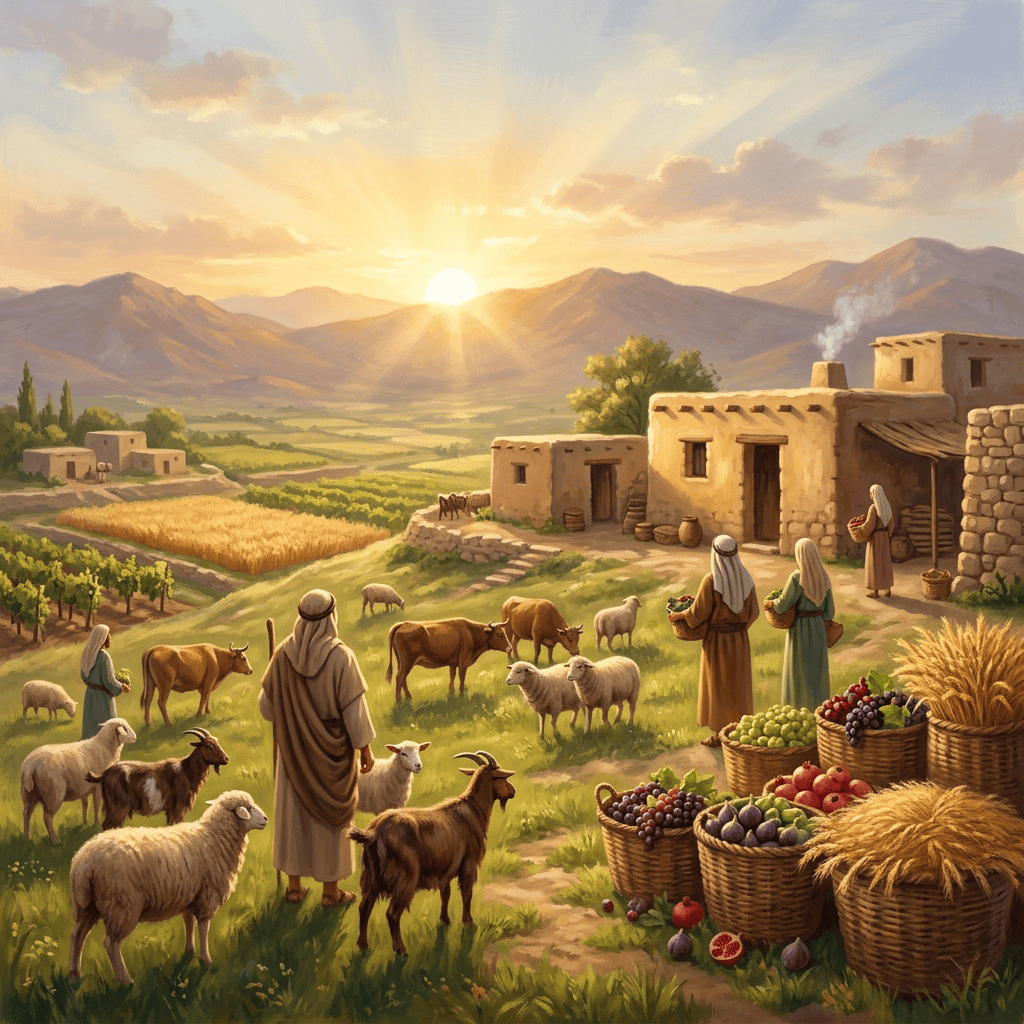
The heart of this passage begins with a challenge to those who say, “Today or tomorrow we will go to this or that city, spend a year there, carry on business and make money” (James 4:13). There is nothing wrong with working hard or planning for business. However, the mistake these people made was leaving God out of the picture. They spoke as if they owned time itself. James reminds us of a humbling truth: “Why, you do not even know what will happen tomorrow. What is your life? You are a mist that appears for a little while and then vanishes” (James 4:14).
Just like a morning mist that disappears as soon as the sun rises, our time on earth is very short. We see this in our daily lives; a person might plan a grand wedding or a massive business expansion, only for circumstances to change in a heartbeat. Because we cannot see the future, boasting about it is a sign of pride. Instead of being full of ourselves, we should be full of faith. The Bible teaches us that the correct way to speak is: “If it is the Lord’s will, we will live and do this or that” (James 4:15). This phrase, “If it is the Lord’s will,” is not just a polite habit; it is a confession that God is the True Boss of our lives.
Furthermore, the Scripture warns that ignoring this truth is dangerous. “As it is, you boast in your arrogant schemes. All such boasting is evil” (James 4:16). When we brag about what we will accomplish by our own strength, we are essentially trying to take God’s place. A practical example is a student who boasts they will definitely come first in an exam without considering that health and opportunity are gifts from God. Even Proverbs 27:1 supports this by saying, “Do not boast about tomorrow, for you do not know what a day may bring.” Finally, James reminds us that knowing the right thing to do—which is to humble ourselves—and failing to do it is a sin: “If anyone, then, knows the good they ought to do and doesn’t do it, it is sin for them” (James 4:17).
In summary, the key lessons are clear: our lives are brief, our control is limited, and our dependence on God is absolute. We must shift from “I will” to “If God wills.” This reflection calls us to look at our current plans—our careers, our families, and our dreams—and lay them at the feet of the Creator. Let us stop the “evil boasting” of self-sufficiency and instead embrace a spirit of humble surrender. Start today by including God in your conversations and your decisions.
Prayer
Dear Lord, I thank You for the gift of life and the plans You have for me. Forgive me for the times I have boasted about my own strength or ignored Your hand in my success. Help me to remember that my life is like a mist, and I need Your guidance every single day. I surrender my “today” and my “tomorrow” into Your hands. May Your will be done in my life. Amen.



Leave a Reply