
REFLECTION
The theme of this reflection is “SHREWD DEALING”, a concept drawn from the Gospel of Luke 16:1-13. To understand this theme, we must look at the keywords. To be “shrewd” means to be clever, sharp, and wise in making practical decisions, especially when planning for the future. “Dealing” refers to how we manage our relationships, resources, and daily business affairs.
When combined, “shrewd dealing” in a Christian context means using our temporary, earthly resources wisely to secure our eternal future. The key lesson in Luke 16:1-13 is that believers should be just as passionate, clever, and forward-thinking about spiritual things as worldly people are about making money.
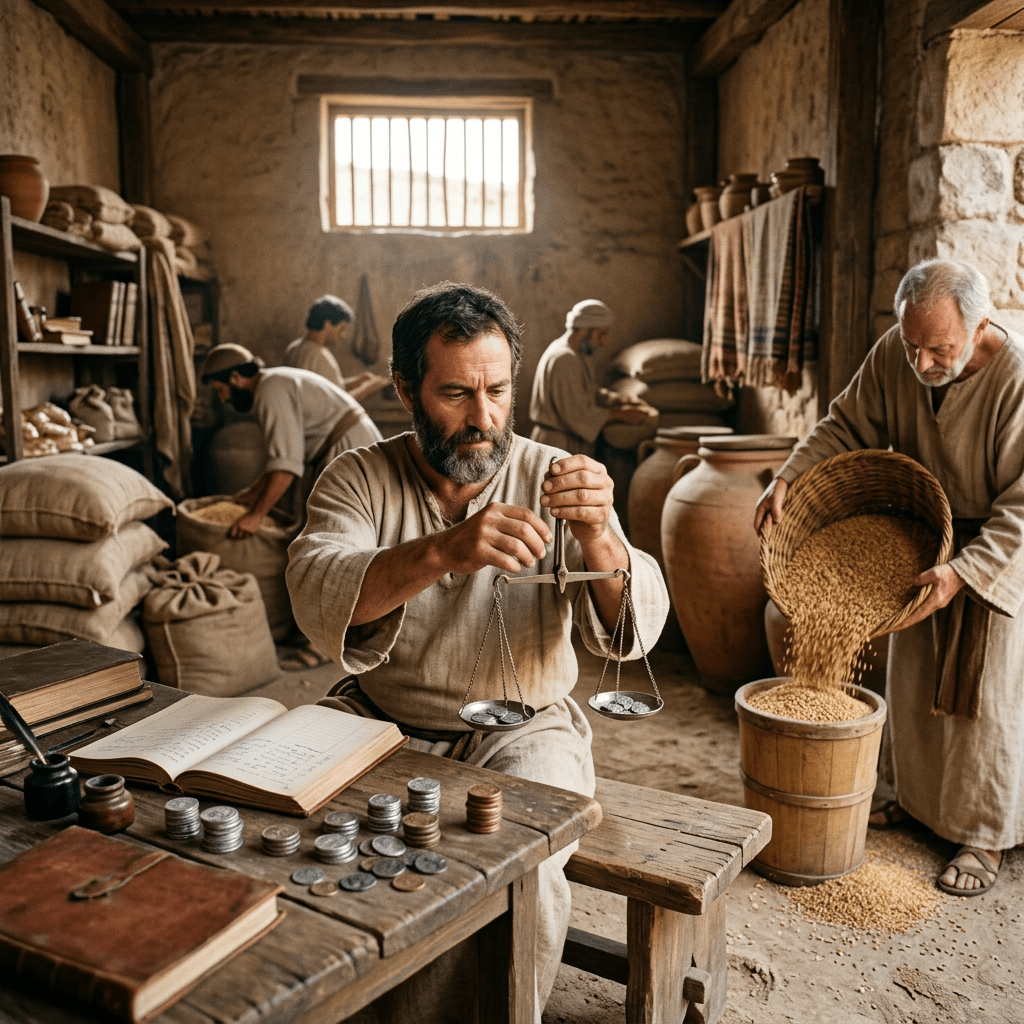
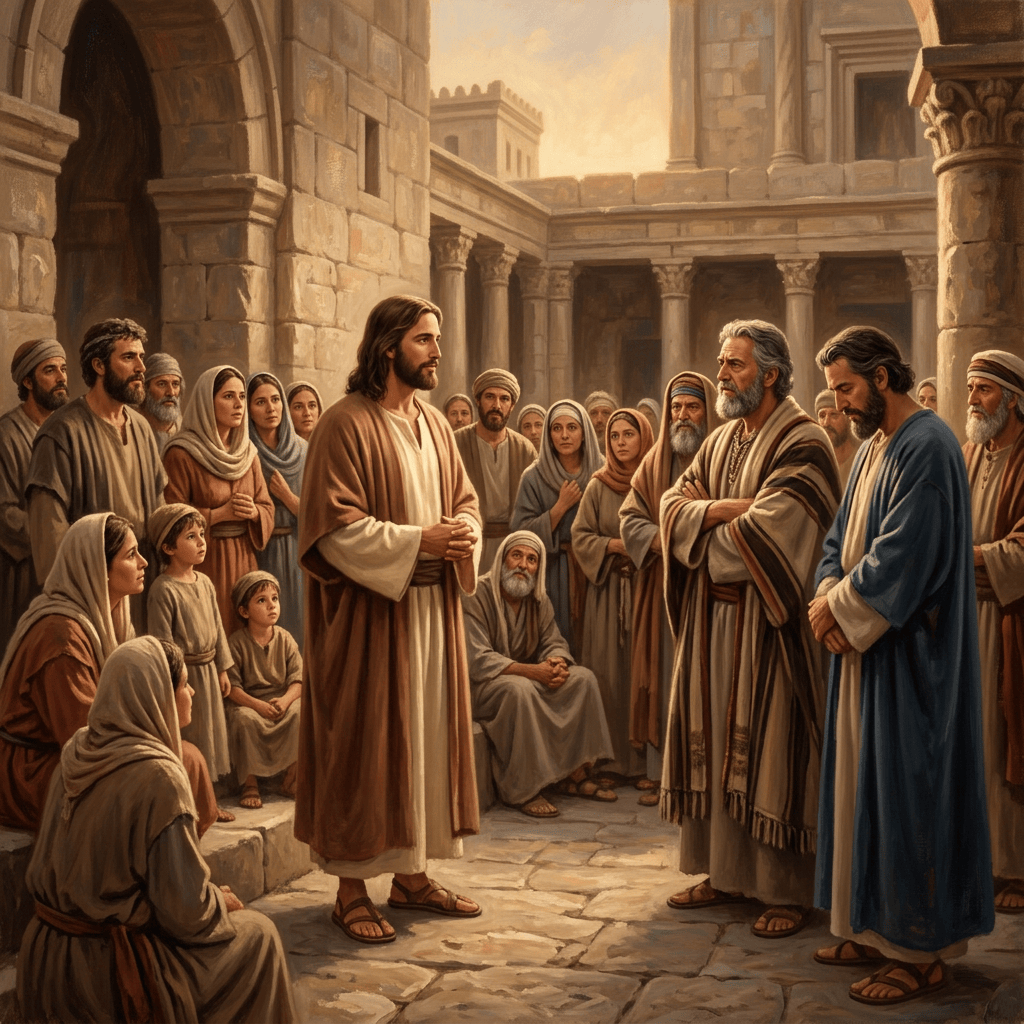
To fully understand this text, we must look at its historical background. In ancient times, wealthy landowners often left the complete running of their estates to a manager or steward. This manager had the legal power to trade, rent out land, and collect debts on behalf of the master. However, if a manager were wasteful, he would be dismissed instantly. Jesus tells this parable to his disciples while the Pharisees, who loved money, are listening nearby. He uses a common, real-world business situation to teach a deep spiritual lesson about stewardship, honesty, and true loyalty.
The first key lesson from this text is that our time on earth is limited, and we must prepare wisely for what comes next. In the parable, the manager discovers he is about to lose his job. Instead of panicking, he acts quickly to secure his future safety. He calls in his master’s debtors and reduces their bills.
Jesus notes that “the master commended the dishonest manager because he had acted shrewdly” (Luke 16:8). Jesus is not praising the man’s dishonesty, but his foresight. He notices that “the people of this world are more shrewd in dealing with their own kind than are the people of the light” (Luke 16:8).
For example, a worldly businessman will spend years studying the stock market, networking, and saving for retirement. As Christians, we should put even more effort into our eternal retirement. Jesus commands us, “use worldly wealth to gain friends for yourselves, so that when it is gone, you will be welcomed into eternal dwellings” (Luke 16:9). We do this practically by using our money, time, and talents to help the poor, support the church, and share the gospel. When we invest in people, we are storing up treasures in heaven.
The second lesson is that our daily life is a testing ground for eternity. Wealth and material possessions are not truly ours; they are simply tools entrusted to us by God. Jesus explains this rule of stewardship clearly: “Whoever can be trusted with very little can also be trusted with much, and whoever is dishonest with very little will also be dishonest with much” (Luke 16:10).
If we cannot manage small, everyday things like our weekly budgets or household items with honesty, God will not trust us with spiritual blessings. Jesus asks a challenging question: “So if you have not been trustworthy in handling worldly wealth, who will trust you with true riches?” (Luke 16:11).
A practical example of this is how we handle our workplace resources. A person who steals office supplies or wastes company time is failing the test of small things. God is looking for people who operate with complete truthfulness in secret, ordinary moments, so that He can trust them with greater spiritual responsibilities.
Finally, shrewd dealing requires absolute clarity about who owns our hearts. We cannot divide our loyalty. Jesus concludes with a powerful warning: “No one can serve two masters. Either you will hate the one and love the other, or you will be devoted to the one and despise the other. You cannot serve both God and money” (Luke 16:13).
Money makes a wonderful servant but a terrible master. When we live only to accumulate wealth, we become slaves to it. However, when we serve God first, money simply becomes a tool to do His will.
Conclusion
In summary, Luke 16:1-13 challenges us to review how we manage our lives. We have learned that our time on earth is short, and we must use our temporary resources to make a permanent, eternal difference. We have also seen that trustworthiness in small, everyday things is a prerequisite for receiving true spiritual riches from God. Most importantly, we cannot serve both God and money; we must choose who holds our ultimate loyalty.
This reflection calls us to immediate action. Take a close look at your bank statement, your daily schedule, and your relationships this week. Ask yourself: “Am I using these resources just for my comfort today, or am I investing them in God’s eternal kingdom?” Let us stop drifting through life. Let us become active, clever, and purposeful with our resources, using everything we have to honour God and serve others.
Prayer
Heavenly Father, You are the owner of all things, and You have trusted me with temporary resources on this earth. Forgive me for the times I have been careless, selfish, or short-sighted with what You have given me. Give me a wise and shrewd heart to see beyond today. Help me to use my money, time, and energy to bless others and spread Your love. Teach me to be faithful in the smallest details of my life so that I can be trusted with true spiritual riches. Keep my heart free from the love of money, and help me to serve You as my only Master. In Jesus’ name, I pray. Amen.




Leave a Reply