

The theme “BEING WHO WE CLAIM TO BE” presents a vital challenge to every Christian: our private conduct and daily actions must match our public confession of faith. To understand this calling, we must look at the key words in the theme itself. “Being” speaks of our true identity, our inner character, and the real life we live when no one is watching. To “claim” means to declare, profess, or announce something as a fact, such as asserting, “I am a follower of Jesus Christ.” Therefore, this theme calls us out of hypocrisy into authenticity. The central lesson from our anchor text, Matthew 25:31–46, is that authentic faith is never proven by loud proclamations, religious titles, or visible church attendance. Instead, genuine faith is proven through active, everyday compassion toward those in need. In the immediate context of this passage, Jesus is concluding the Olivet Discourse in Jerusalem shortly before His arrest and crucifixion. He presents the final judgement scene, where the Son of Man gathers all nations to separate the sheep from the goats based not on what they claimed to believe, but on how their lives reflected the heart of God.
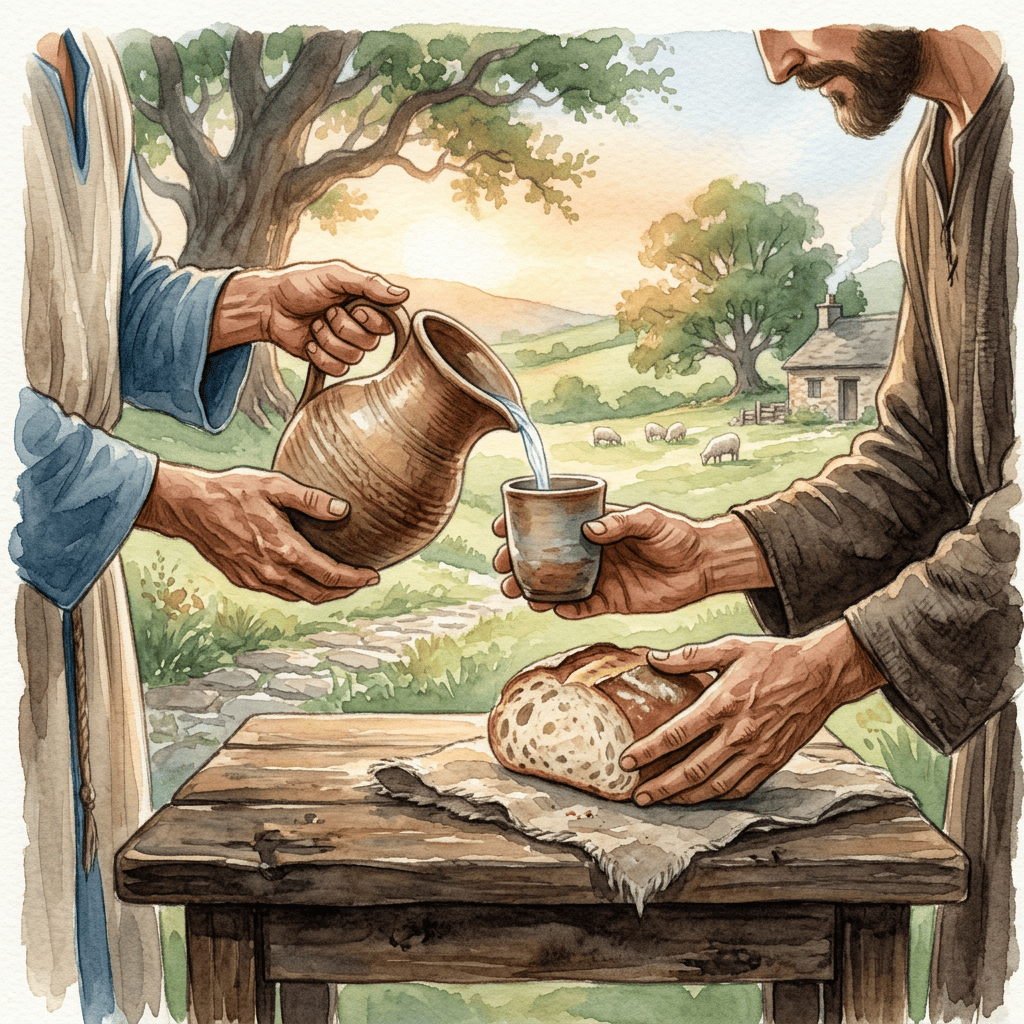
The first key lesson from this passage is that true discipleship is defined by compassionate action. Jesus declares to those on His right: “For I was hungry and you gave me something to eat, I was thirsty and you gave me something to drink, I was a stranger and you invited me in, I needed clothes and you clothed me, I was sick and you looked after me, I was in prison and you came to visit me” (Matthew 25:35–36). The righteous did not merely claim to love God; their lives bore fruit through concrete deeds of mercy. Consider an ordinary believer who notices a lonely widow on their street. Rather than simply offering a quick “I will pray for you,” they bring over warm meals, listen to her stories, and assist with her weekly shopping. This practical care reflects the apostle John’s exhortation: “Dear children, let us not love with words or speech but with actions and in truth” (1 John 3:18). When we meet tangible human needs, our daily living aligns seamlessly with our Christian profession.
The second profound lesson is that the genuine presence of Christ is encountered in the least regarded individuals in society. When the righteous ask when they ever saw the King in distress, Jesus answers: “Truly I tell you, whatever you did for one of the least of these brothers and sisters of mine, you did for me” (Matthew 25:40). Conversely, when the King addresses those on His left, He exposes the fatal flaw of a shallow claim without practice: “Truly I tell you, whatever you did not do for one of the least of these, you did not do for me” (Matthew 25:45). It is easy to respect leaders, employers, or influential members of the community, but our true spiritual character is revealed in how we treat those who cannot repay us—the cleaner, the beggar, the refugee, or the troubled neighbour. Scripture reinforces this dignity in Proverbs 19:17: “Whoever is kind to the poor lends to the Lord, and he will reward them for what they have done.” If we claim to adore Christ while ignoring the broken at our doorstep, our claim is hollow.
To conclude, the passage of the sheep and the goats leaves no room for ambiguity. We cannot claim the inheritance of the kingdom while living with self-centred indifference. Genuine faith expresses itself in selfless charity, practical kindness, and seeing the face of Christ in the vulnerable. Let us therefore examine our lives honestly today. Move beyond mere attendance at worship services and step into deliberate acts of service. Look around your neighbourhood, workplace, and family. Identify someone who is struggling—whether they are starved of food, dignity, or fellowship—and meet their need with the quiet gentleness of Christ. Let us resolve each day to ensure that our walk reflects our talk, closing every gap between the faith we profess and the love we practice.
Prayer
Heavenly Father, You are righteous, merciful, and full of unfailing love. Forgive us for the many times our words have declared our loyalty to You, while our daily actions have turned away from those in pain. Remove every trace of hypocrisy from our hearts. Grant us eyes to see the vulnerable as You see them, and give us willing hands to serve the hungry, the lonely, the sick, and the stranger. Help us each day to live out the truth of the Gospel, so that in all things we may truly be who we claim to be, reflecting the gentle compassion of our Lord and Saviour, Jesus Christ. Amen.





Leave a Reply