REFLECTION
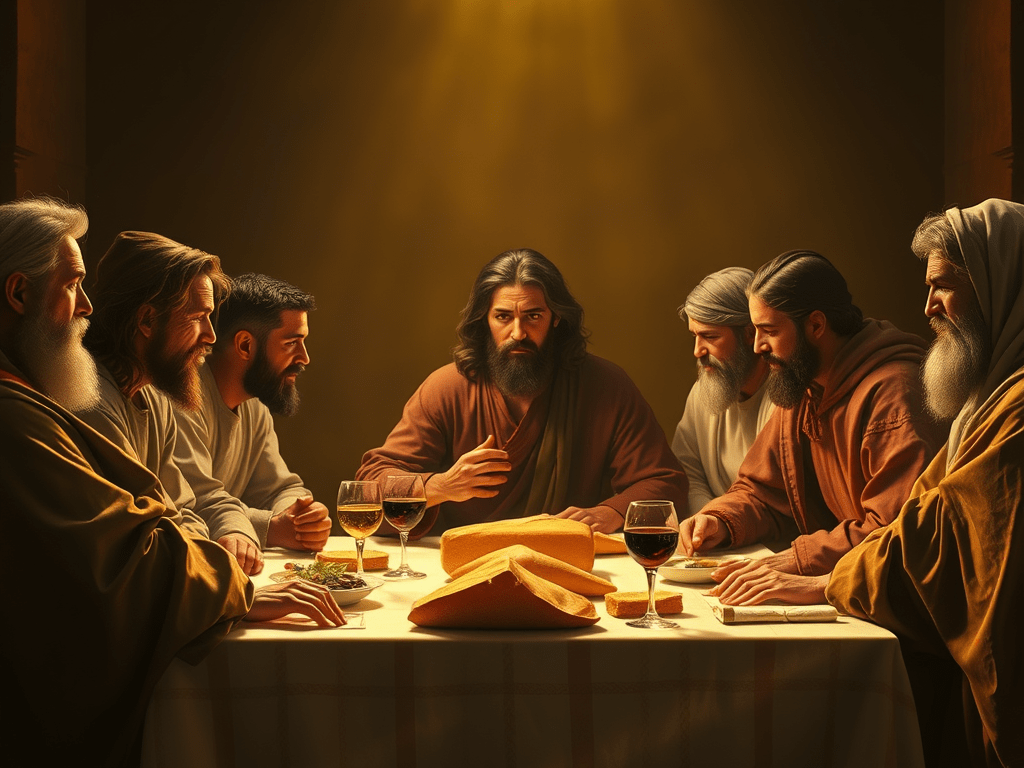
The theme for this reflection is “The Last Supper,” based on Matthew 26:17-30. To understand this deeply, we must look at the keywords. “Last” suggests a final, significant moment before a major change, while “Supper” refers to a shared meal that signifies fellowship and community. The key lesson in this scripture is that Jesus Christ established a new covenant through His body and blood, calling us to a life of constant remembrance and humble obedience.
The background of this text is the Jewish festival of Passover. This was a time when the Israelites remembered how God rescued them from slavery in Egypt. Jesus chose this specific moment to show that He was the ultimate sacrifice who would rescue all of humanity from the slavery of sin.
Lessons from the Upper Room
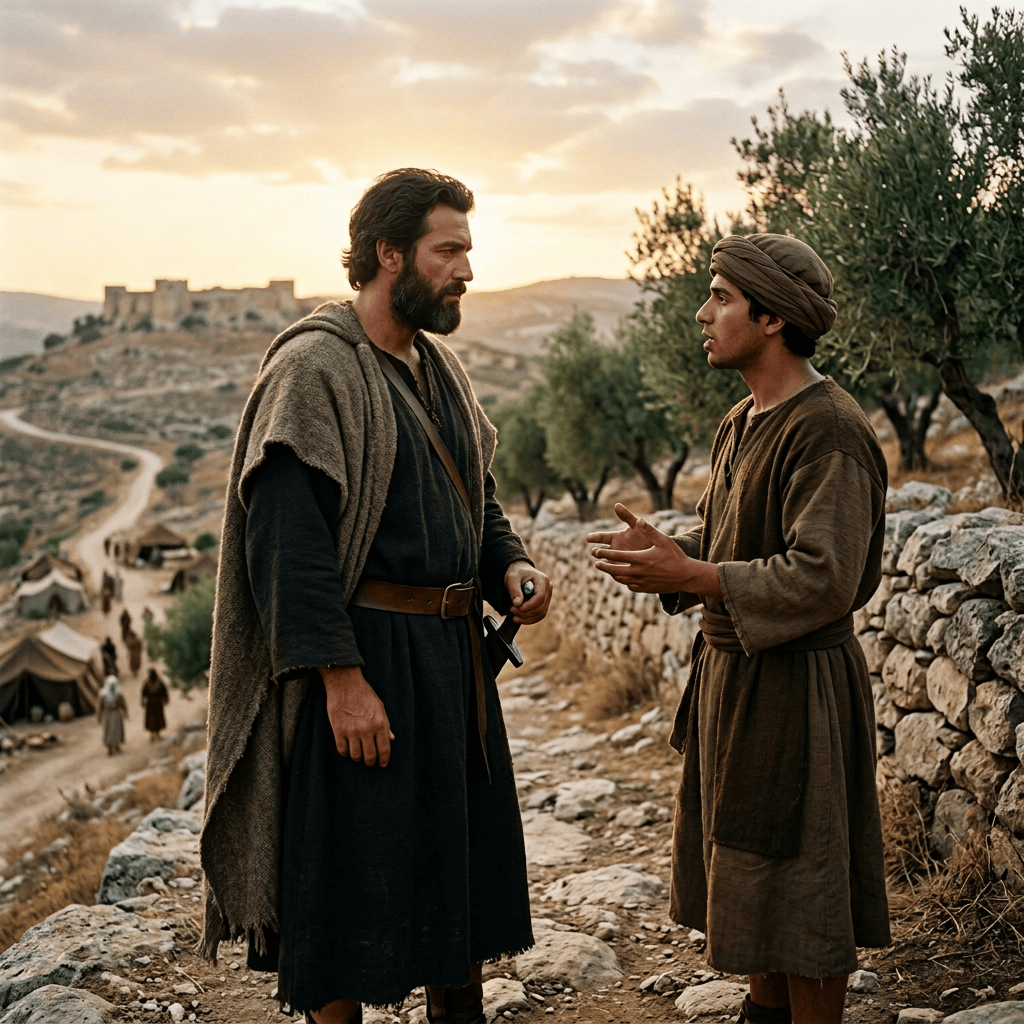
One of the most powerful lessons from this passage is the importance of obedience to God’s plan. Even though Jesus knew that His death was near, He carefully followed the requirements of the law. He instructed His disciples on how to prepare for the meal, and they followed His word exactly. Matthew 26:19 tells us: “So the disciples did as Jesus had directed them and prepared the Passover.” In our daily lives, this teaches us that true fellowship with God begins with doing what He asks, even when we do not fully understand the road ahead. For example, when we feel led to forgive someone who has hurt us, we are practising the same kind of obedience that the disciples showed in the upper room.
Another vital lesson is the reality of human weakness and the need for self-examination. During the meal, Jesus revealed that one of His closest friends would betray Him. Instead of pointing fingers at others, the disciples were deeply saddened and asked, “Surely you don’t mean me, Lord?” (Matthew 26:22).
This is a persuasive call for us to look inward. Before we judge the world around us, we must ask God to show us the areas in our own hearts that are not faithful to Him. A practical way to do this is through daily prayer, asking the Holy Spirit to renew our minds so that we do not “betray” Christ through our actions or unkind words.
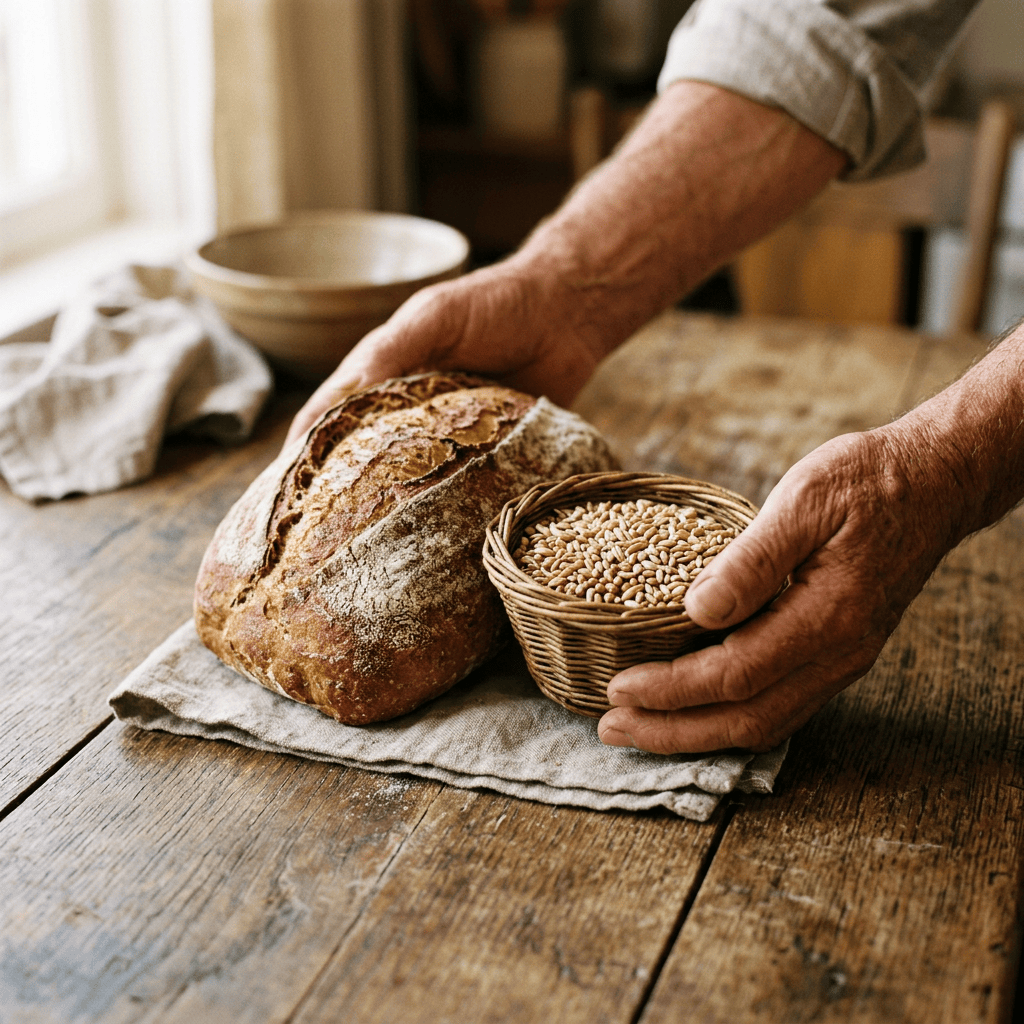
Finally, we see the institution of the New Covenant. Jesus took the bread and the cup to give them a brand-new meaning. He said, “Take and eat; this is my body” (Matthew 26:26), and of the cup, “This is my blood of the covenant, which is poured out for many for the forgiveness of sins” (Matthew 26:28).
This meal was not just a ritual; it was a promise. Jesus was explaining that His sacrifice would bridge the gap between God and man forever. Today, when we take part in Holy Communion or simply reflect on the cross, we are reminded that our sins are forgiven not because of our good works, but because of His finished work.
Conclusion
In summary, the Last Supper teaches us about the beauty of obedience, the necessity of looking at our own hearts, and the incredible gift of the New Covenant through Jesus’ sacrifice. It is a reminder that Jesus desired to share a meal with His followers even as He knew the pain that was coming.
My call to action for you is this: Do not let the sacrifice of Jesus become a common story that you ignore. This week, make a conscious effort to “eat and drink” of His word. Choose to live in a way that honours the covenant He signed with His own blood. Let your life be a reflection of the gratitude you feel for His forgiveness.
Prayer
Heavenly Father, we thank You for the gift of Your Son, Jesus Christ. We thank You for the New Covenant established at the Last Supper. Please forgive us for the times we have been unfaithful or have taken Your sacrifice for granted. Help us to live in obedience and to always examine our hearts. May we live each day in the strength of Your forgiveness and the hope of Your return. Amen.


Leave a comment